
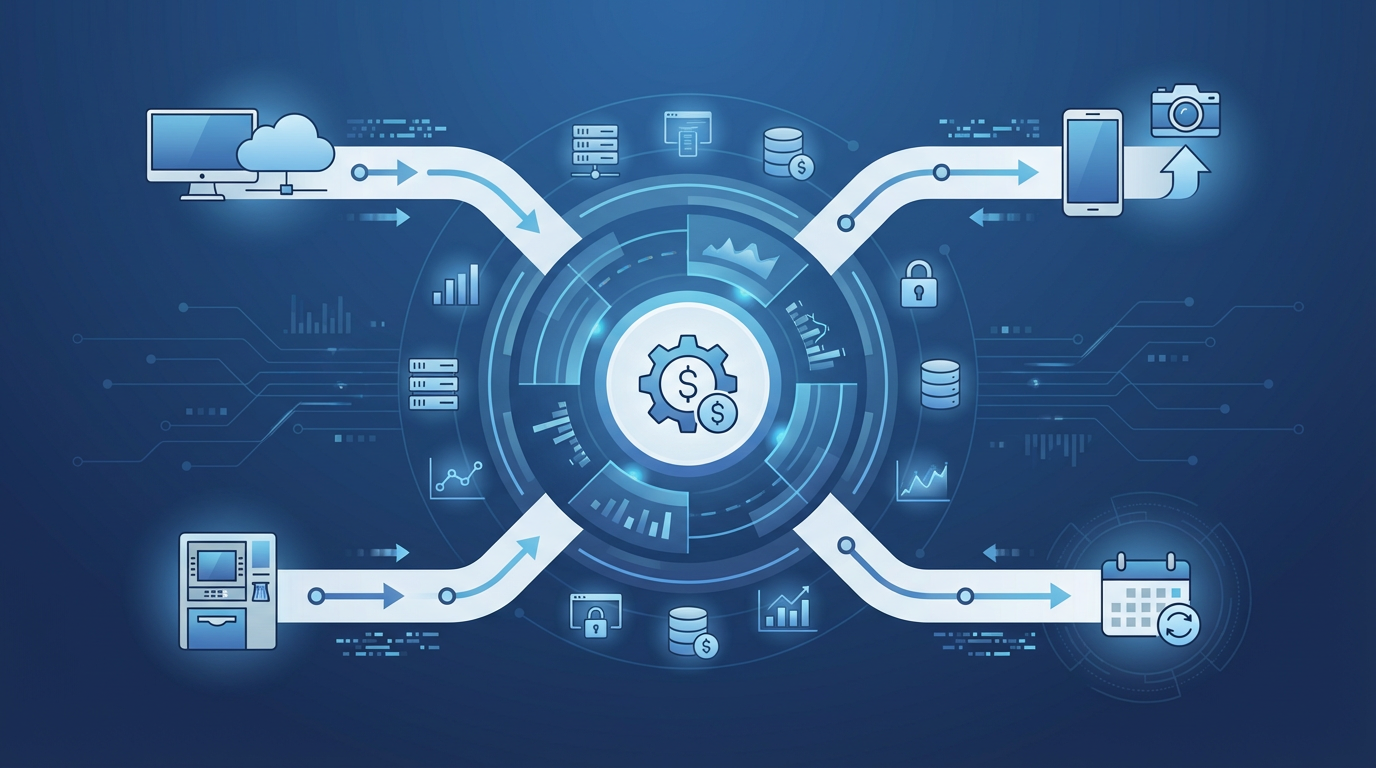
Introduction: Why Transaction Tracking Matters
Savings Account Transactions are at the heart of how banks manage your money. Every deposit, withdrawal, transfer, or payment you make is logged, monitored, and tracked to ensure accuracy, compliance, and security.
Banks track these transactions not only to protect themselves but also to protect you. Accurate tracking ensures correct interest calculation, enforcement of minimum balance rules, and fraud detection. By understanding how your savings account transactions are recorded and monitored internally, you can better manage your money, avoid mistakes, and plan your cash flow efficiently.
What Counts as a Savings Account Transaction?
Not every movement of money in your savings account is treated equally. Understanding what counts as a Savings Account Transaction is the first step to avoiding confusion.
| Transaction Type | Counts Toward Balance | Notes |
|---|---|---|
| Deposits (cash, check, wire) | Yes | Posted after clearing |
| Withdrawals (ATM, teller) | Yes | Subject to limits |
| Online or mobile transfers | Yes | Counts toward withdrawal limits if applicable |
| Automatic bill payments | Yes | Scheduled withdrawals logged automatically |
| Pending transactions | Sometimes | Not posted until cleared |
Savings account transactions occur across multiple channels: in-branch, ATM, online, and mobile banking. Each is logged and monitored differently depending on its type.

How Banks Record Transactions Internally
Banks rely on core banking systems to track Savings Account Transactions efficiently. These systems ensure every transaction is captured and posted accurately.
Internal Posting Process
| Process Step | Description |
|---|---|
| Transaction Initiation | Deposit, withdrawal, or transfer starts |
| Classification | System identifies transaction type |
| Posting | Logged in the account’s ledger (real-time or end-of-day) |
| Confirmation | Transaction ID and timestamp recorded |
| Reconciliation | Balances verified for accuracy |
Real-Time vs End-of-Day Posting
-
Real-Time Posting: Online and mobile transactions often appear immediately in your available balance.
-
End-of-Day Posting: Checks and some ACH transactions are updated at the end of the business day.
This dual system ensures both operational efficiency and accurate recordkeeping.
Monitoring and Fraud Detection
Tracking Savings Account Transactions is also critical for security. Banks monitor every transaction to detect fraud, errors, or unusual activity.
How Monitoring Works
| Feature | Purpose |
|---|---|
| Automated Alerts | Flags suspicious patterns |
| Real-Time Monitoring | Tracks transactions as they occur |
| Fraud Algorithms | Detect anomalies like sudden large withdrawals |
| Reconciliation | Ensures posted balances match the ledger |
This automated monitoring protects both the bank and account holders from unauthorized activity.
How Pending Transactions Are Managed
Pending transactions can confuse many customers. These are transactions that have been initiated but not yet fully posted to your account.
Key Points
-
Pending transactions do not immediately affect your average monthly balance or interest.
-
Banks place holds on deposits such as checks until cleared.
-
Online transfers may show as pending while the receiving bank processes the transaction.
Understanding the distinction between pending and posted transactions prevents errors and overdraft fees.
How Banks Categorize Transactions
Banks classify Savings Account Transactions to maintain accurate records and simplify reporting.
| Category | Examples | Purpose |
|---|---|---|
| Credit | Deposits, interest earned | Increases account balance |
| Debit | Withdrawals, bill payments | Reduces account balance |
| Automated | Recurring transfers, bill pay | Simplifies processing |
| Manual | Teller transactions | Requires human verification |
| Domestic vs International | Transfers within/outside the U.S. | Compliance and reporting |
Categorization helps banks calculate interest, track fees, and provide clear statements to customers.
Regulatory Compliance in Transaction Tracking
Tracking Savings Account Transactions is governed by U.S. regulations to ensure consumer protection.
-
Truth in Savings Act (Regulation DD): Requires banks to clearly disclose posting and transaction rules.
-
Recordkeeping: Banks must maintain detailed transaction logs for audits.
-
AML Reporting: Certain transactions are flagged to comply with Anti-Money Laundering rules.
-
Dispute Resolution: Banks maintain a trail for resolving customer disputes.
Accurate tracking helps both banks and consumers comply with legal obligations.
Common Customer Misunderstandings
Many customers misinterpret how Savings Account Transactions are tracked.
| Misunderstanding | Reality |
|---|---|
| “My balance reflects all transactions immediately.” | Pending transactions may not be posted yet |
| “Transactions are always in order.” | The posting order may differ from the initiation order |
| “Alerts show the final balance.” | Alerts are often based on available balance, not ledger balance |
| “Interest is applied instantly.” | Interest calculations use posted balances only |
Recognizing these differences helps you avoid fees and confusion.
How Understanding Transaction Tracking Helps Consumers
Knowing how Savings Account Transactions are monitored allows you to manage accounts more effectively.
-
Avoid overdrafts by understanding posting and pending transactions
-
Monitor suspicious activity and report fraud promptly
-
Reconcile statements to ensure all transactions are accurate
-
Plan withdrawals and transfers efficiently to comply with bank rules
-
Use mobile and online banking alerts for better control
Conclusion: Key Takeaways
Tracking Savings Account Transactions is a complex, automated process that ensures accuracy, compliance, and security. Banks classify, monitor, and reconcile each transaction to maintain reliable account information. By understanding how your transactions are tracked, you can avoid errors, prevent overdrafts, and better plan your savings strategy.
Also Read – How Savings Account Interest Is Credited Monthly in Banks
FAQs on Savings Account Transactions
Q. What counts as a savings account transaction?
- Savings account transactions include deposits, withdrawals, transfers, and automatic payments made through online, mobile, ATM, or branch channels.
Q. How do banks track savings account transactions internally?
- Banks use core banking systems that record every transaction with timestamps, reference numbers, and categories. Posting can occur in real-time or at the end of the business day.
Q. Do pending transactions affect my available balance?
- Pending transactions temporarily affect your available balance but are not considered fully posted until processed by the bank.
Q. Why do some transactions appear out of order?
- Transactions may post based on processing time, channel, or batch cycles, causing them to appear out of chronological order on statements.
Q. How can understanding transaction tracking help me?
- It helps you avoid overdrafts, reconcile statements, monitor for fraud, and plan transfers efficiently to comply with bank policies.

Abhishek Kandir is the founder and lead writer at Paisewaise, a personal
finance publication covering Indian markets, budgeting, and investing since 2023.
Abhishek’s work focuses on making complex financial topics — from RBI
Interventions to SIP strategies — understandable for everyday Indian readers
without a financial background.

[…] about investing smarter. While the average investor might dabble in stocks or maintain a basic savings account, wealthy individuals approach investing with sophisticated strategies, disciplined diversification, […]