

7 Businesses to Start With $1,000 That Could Replace Your Paycheck Faster Than You Think

7 Businesses to Start With $1,000 That Most Beginners Completely Overlook
If you have $1,000, that’s a realistic budget to launch a business in 2026. For many people looking to start a business this year, investing at least this amount is often enough to get started on the right foot.
So, here are 7 businesses to start with $1,000 that offer low startup costs, strong profit potential, and room to grow.
1. Niche Content Website

What It Is
A niche content website is one of the best businesses to start. A small, focused site built around one profitable topic — personal finance, home improvement, travel, or AI. It’s called “niche” because you go deep on one subject instead of covering everything, so both Google and readers start to see you as a trusted source. You publish helpful articles or guides, attract organic search traffic, and monetize that traffic through ads, affiliate links, or your own products.
How Much Can You Make?
Earnings vary hugely based on traffic, niche, and time invested:
- Realistic (1–2 years in): Spencer Haws grew his backyard/home-improvement site “Own the Yard” from $0 to $8,290/month over 24 months using affiliate links and display ads (case study).
- Established (personal finance): Michelle Schroeder-Gardner’s blog, Making Sense of Cents, has averaged $760,000/year in passive income over five years (CNBC).
- Exceptional exit (travel): The Points Guy, started solo by Brian Kelly in 2010, sold for $20 million in 2012, then became part of a $1.24 billion Red Ventures acquisition in 2017 (Wikipedia).
Most sites take over a year to reach steady income, so treat the big numbers as ceilings, not starting points.
Pros and Cons
Pros:
- Low startup cost compared to most businesses
- Income can become largely passive once traffic is established
- Location-independent — run it from anywhere
- Can be started as a side project alongside a full-time job
Cons:
- Slow start — real income usually takes 12+ months
- Vulnerable to Google algorithm changes
- Needs consistent content and SEO work upfront
- Success depends heavily on picking the right niche
Budget
A basic setup costs about $1,000 total:
- Domain: $15
- Hosting: $100
- Premium theme/tools: $150
- SEO tools/content: $500
- Marketing: $235
- Total: ~$1,000
2. Social Media Management Agency

What It Is
Manage Instagram, Facebook, LinkedIn, or TikTok accounts for local businesses, handling everything from content creation to community management. Core services usually include content creation, post scheduling, community management, and monthly analytics reports — you’re the marketing department they can’t afford to hire in-house.
How Much Can You Make
Typical pricing is $300–$1,500 per client per month, and it scales with how many clients you can juggle:
- Getting started: Landing just 3 clients at $500/month creates $1,500 in recurring monthly revenue — often doable part-time, alongside a job.
- Solo agency: Kelsey Chance started her one-woman agency, Good Chance Creative, with $500 and grew it to $20,000/month within 3 years by focusing on small businesses and startups (Starter Story).
- Full agency: Jim Tobin founded Ignite Social Media in 2007 as the first dedicated social media agency in the US; it now works with brands like Microsoft and Samsung (Crunchbase).
A solo manager can typically juggle 8–15 clients before needing to hire help, and growth here tends to come from referrals and visible results rather than one lucky break.
Pros and Cons
Pros:
- Extremely low startup cost — no inventory or office needed
- Recurring monthly revenue instead of one-off payments
- Skills transfer easily across almost any industry
- Works well as a fully remote, laptop-only business
Cons:
- Client churn — losing even one account hurts cash flow
- Time-intensive; hard to scale without hiring help
- Requires constantly staying current on platform and algorithm changes
- Needs proactive outreach to land your first few clients
Budget
A lean solo setup costs about $650 to start:
- Business registration: $50
- Scheduling tool (Buffer/Later, annual): $180
- Design tool (Canva Pro, annual): $120
- Portfolio website: $150
- Outreach/marketing materials: $150
- Total: ~$650
3. Print-on-Demand Store

What It Is
A print-on-demand (POD) store (How to Make Money on Redbubble (Beginner-to-Advanced Guide) lets you sell custom products — t-shirts, hoodies, mugs, posters, phone cases — without holding any inventory. You upload a design, a supplier like Printful or Printify prints and ships each order only after it’s paid for, so you never buy stock upfront. Most sellers list on Etsy, Shopify, or TikTok Shop rather than building an audience completely from scratch.
How Much Can You Make
Income depends heavily on your profit margin per item, since production and shipping costs come out of every sale:
- Solo seller: One print-on-demand t-shirt shop on Etsy grew to roughly $250,000/year within 3 years by offering dozens of designs instead of relying on a single bestseller (case study).
- Breakout brand: April Showers started Afro Unicorn as a Shopify print-on-demand store for under $200 in 2019; it’s now stocked in more than 40,000 stores nationwide, including Walmart and Target (Forbes).
Most sellers earn modestly at first — typical profit margins run 20–30% per item after production, shipping, and platform fees, so sales volume matters more than any single design going viral.
Pros and Cons
Pros:
- No inventory, warehousing, or upfront stock risk
- Cheap to test many designs and products at once
- Can run entirely from a laptop, alongside other work
- Easy to pause or shut down with no leftover stock
Cons:
- Thin profit margins after production, shipping, and platform fees
- Little control over product quality or shipping times
- Designs are easy for competitors to copy
- Winning products often need paid ads to gain traction
Budget
A lean setup covers your four core costs for about $450:
- Branding: $75
- Product mockups: $50
- Ads: $200
- Samples: $125
- Total: ~$450
Also Read: I Tried to Make Money Using AI with Print-on-Demand for 30 Days — Here’s What Worked
4. AI Automation Agency

What It Is
An AI automation agency is one of the smartest businesses to start for anyone tech-savvy but not necessarily a coder. You set up ready-made AI tools — chatbots, email sequences, CRM workflows, and lead-generation systems — so small businesses can stop doing repetitive work by hand.
This niche is scaling fast, with demand for these services climbing more than 40% year over year, because owners want the time savings but don’t have the bandwidth to build it themselves. Vocal Media
How Much Can You Make
Earnings scale with team size. Plenty of one-person shops sit in the $50K–$300K annual range, and once you’re running a small 2–5 person crew, hitting $300K–$1M inside two years is common, per MindStudio’s 2026 review of founder case studies. MindStudio
A documented case makes the payoff concrete: a real estate client’s setup ran $10,000 upfront with a $1,500 monthly fee, and within a year that investment had returned over $80,000 in labor savings plus a 35% bump in lead conversion. Vocal Media
Pros and Cons
Pros
- Low overhead, high margins through monthly retainers
- No coding needed — most platforms are drag-and-drop
- Rising demand: McKinsey’s 2025 State of AI research shows nearly 9 in 10 organizations have already folded AI into at least one part of their operations. Arvani Media
- Can start part-time before going full-time
Cons
- The generalist end is crowded; a clear niche wins more clients
- Systems need regular upkeep as APIs and client needs shift
- Clients sometimes ignore tools they were never properly trained to use
- Trust is fragile until you can show measurable results
Budget
- Bootstrapped start: launching for $0 is realistic if you lean on free, open-source tools such as n8n or Flowise. Vocal Media
- Lean launch: roughly $2,000 once you account for legal filing, basic software, and a starter marketing budget. PrimalMogul AI
- Fuller setup: up to $15,000 covers premium tools, contractors, and a bigger marketing push. PrimalMogul AI
- Ongoing software costs: about $50–$300 a month
5. Local Service Business

What It Is
A local service business offers hands-on, essential work — pressure washing, window cleaning, lawn care, car detailing, or gutter cleaning — with no office and barely any equipment needed. It’s one of the most beginner-friendly businesses to start because the skills are learnable in a weekend, and most homeowners will happily pay someone else to do the job for them.
How Much Can You Make
Part-time operators often earn around $30,000 a year; typical small operations land between $30,000 and $60,000, and established multi-crew businesses can top $150,000.
Real example: Johnny Robinson, while a full-time college student, took his window-cleaning business from just $150 in starting gear to nearly $700,000 a year in revenue. Joshua Brown built something similar with pressure washing — a $5,000 start that now generates $2 million a year.
Pros and Cons
Pros
- Very low startup cost with fast payback — often one good weekend of work
- Strong, steady local demand; gutter cleaning in particular is considered recession-resistant
- Services bundle naturally — happy clients often add gutters, pressure washing, or lawn care together
- Easy to scale by adding crews once you have steady clients
- No degree, license, or office required in most areas
Cons
- Physical labor outdoors, with slower seasons depending on climate
- Local competition can undercut pricing in saturated areas
- Liability risk — property damage, falls, or chemical mishaps make insurance essential
- Scaling means managing a crew, a different skill than doing the work yourself
- Income caps out quickly until you hire help
Budget
- Renting equipment for your first jobs means starting before spending much at all
- Bare-bones start: $150–$300 for basic tools, matching real first-time operators
- Standard setup: $2,000–$5,000 for better equipment, licensing, and insurance
- Fuller setup: up to $15,000 for a vehicle, commercial-grade gear, and marketing
- Ongoing costs: gas, supplies, and insurance renewal typically run $100–$300 a month
6. Digital Products Business

What It Is
Digital products are things you create once and can sell infinitely — templates, e-books, courses, or design assets. There’s no shipping, no inventory, and no restocking involved.
Among businesses to start with low overhead, this is one of the most scalable, since your product works for you 24/7 without extra production cost.
How Much Can I Make
Earnings range widely based on niche and marketing effort. Real examples: Thomas Frank turned two Notion templates into $1 million in revenue by 2022, while Easlo, the “Notion Guy,” made over $500,000 and earned $20,000 monthly at his peak. Kajabi + 2
More typically, many creators report earning between $1,000 and $3,000 a month — solid side income, not overnight riches. EzyCourse
Pros and Cons
Pros
- High profit margins (no manufacturing or inventory costs)
- Sell infinitely without extra production effort
- Work from anywhere, fully remote-friendly
Cons
- Income isn’t guaranteed — many sell little at first
- Requires upfront time to design and polish the product
- Needs consistent marketing to stand out in a crowded market
Budget
You can start shockingly lean:
- Tools: Free (Canva, Notion, Google Docs) or $10–30/month for premium design software
- Selling platform: Gumroad or Etsy charge small transaction fees, no upfront cost
- Marketing: $0 if organic (social media, SEO) or $50–200/month for basic ads
Total starting budget: roughly $0–100, making it one of the most accessible online business ideas today.
7. YouTube Channel + Newsletter
What It Is
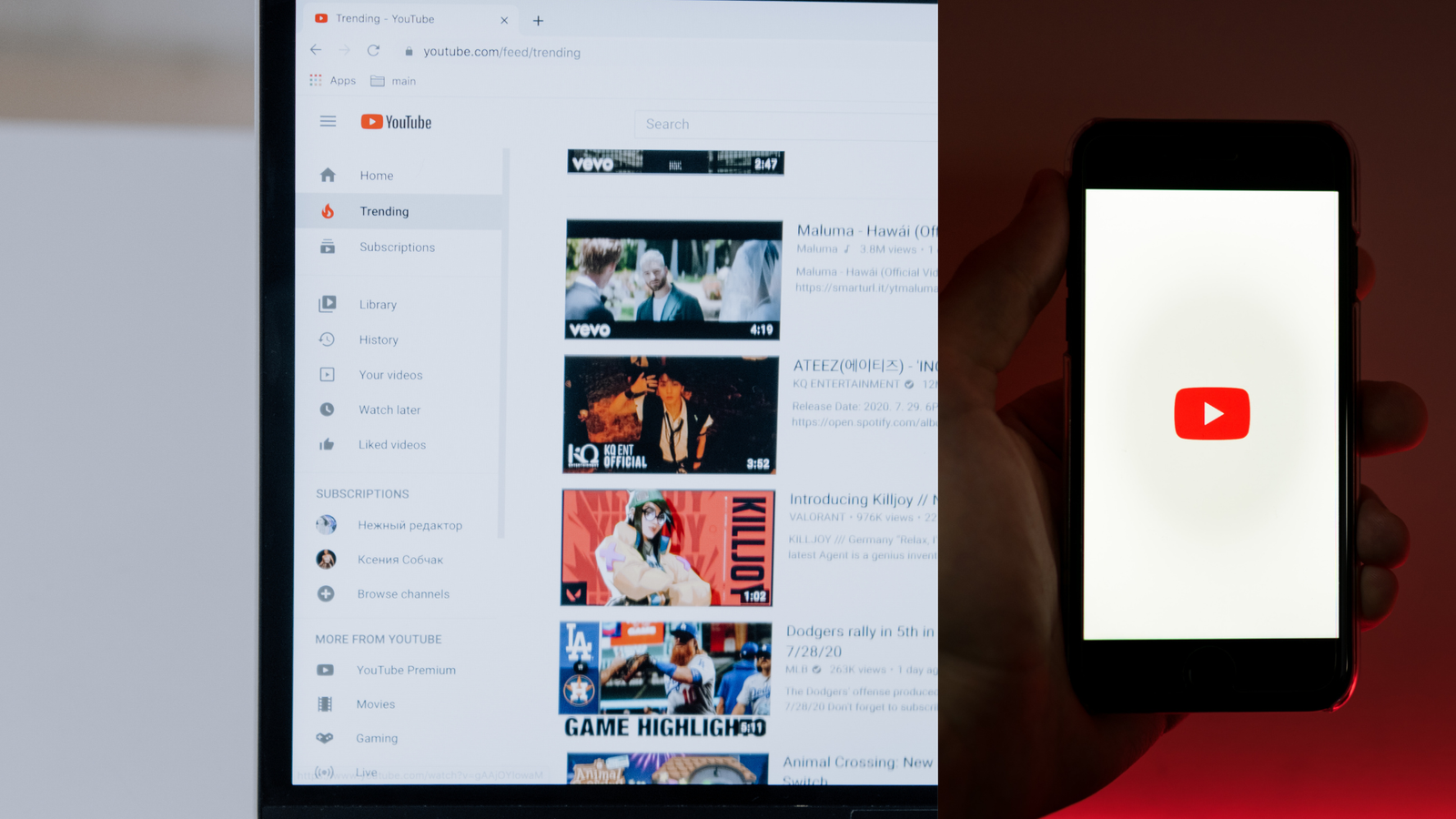
This model pairs educational video content with a written newsletter around a niche you know well. YouTube builds reach, while the newsletter turns viewers into a loyal, owned audience.
Among businesses to start for long-term brand building, this combo is powerful because it compounds — each video and issue keeps working for you long after publishing.
How Much Can I Make
Income grows slowly, then scales fast once you have an audience. Finance YouTuber Graham Stephan has said he sometimes earned $5,000 to $8,000 for a single sponsorship spot, far more than that video’s ad revenue. Spotter Studio
On the newsletter side, sponsors typically pay $35 to $50+ CPM on opens for primary placements in niche newsletters. But note: 96.5% of YouTubers don’t earn above the U.S. poverty line from ads alone — sponsorships and other streams matter far more. BeamlySpotter Studio
Pros and Cons
Pros
- Multiple revenue streams reduce dependency on one platform
- Builds a loyal, owned audience (newsletter) immune to algorithm changes
- Highly scalable once trust and traffic are established
Cons
- Takes months, often over a year, to see real income
- Requires consistent content creation and editing effort
- Success depends heavily on niche selection and audience trust
Budget
Startup costs vary based on production quality:
- Microphone: $50–150 (e.g., Blue Yeti or similar)
- Lighting: $30–100 (basic ring light or softbox kit)
- Editing software: Free (CapCut, DaVinci Resolve) to $20/month (Premiere Pro)
- Thumbnail design & branding: $0 (Canva) to $100–300 (freelance designer)
Total starting budget: roughly $100–500, with room to reinvest as revenue grows.
Final Thoughts
Choosing the right businesses to start isn’t about having unlimited money—it’s about making smart decisions with the budget you have. With $1,000, you can build a business that matches your skills, serves a real market, and has room to grow. The most important step is simply getting started and staying consistent.
Disclaimer: This article is for informational purposes only and should not be considered financial or business advice. Always do your own research before starting any business or making financial decisions.
Abhishek Kandir is the founder and lead writer at Paisewaise, a personal
finance publication covering Indian markets, budgeting, and investing since 2023.
Abhishek’s work focuses on making complex financial topics — from RBI
Interventions to SIP strategies — understandable for everyday Indian readers
without a financial background.