
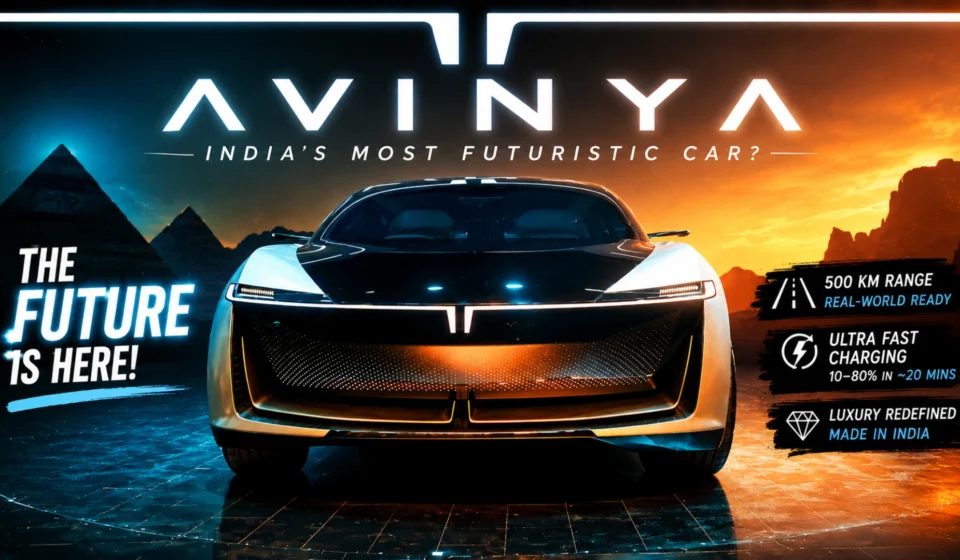
The Tata Avinya isn’t just a car reveal — it’s a statement. When Tata Motors unveiled this concept, the EV world sat up and paid attention. And honestly? They should.
This isn’t your usual incremental upgrade. The Tata Avinya sits on a brand-new Gen 3 EV platform — a clean-sheet architecture designed from the ground up. That’s a huge deal, both for drivers and for India’s EV future.
But here’s the real question: is it a smart buy, or just a beautiful risk? Let’s break it all down — no fluff, just the facts you need.
What Makes the Tata Avinya Platform Special?
Think of how Tesla changed the game with its skateboard chassis — a single flexible base that could support multiple car models. That’s exactly what Tata is doing with the Gen 3 architecture behind the Avinya.
This isn’t a product tweak. It’s a platform bet — and that changes everything about the long-term economics.
- Lower production cost per unit as the platform scales
- One base, multiple future models = higher return on investment
- Built to compete globally — not just against Maruti or Hyundai India, but against BYD and Tesla worldwide
Tata Avinya Cost vs Value: The Full Breakdown
Pricing hasn’t been officially confirmed, but industry estimates place the Tata Avinya in the ₹30–60 lakh premium EV bracket. Yes, it’s expensive upfront. But that’s only half the story.
| Cost Factor | Details | Verdict |
|---|---|---|
| Upfront Price (CapEx) | Est. ₹30–60 lakh range | High |
| Fuel / Charging Cost | EV charging vs petrol = massive savings | Very Low |
| Maintenance | ~30–40% lower than ICE vehicles | Low |
| Battery Efficiency | Gen 3 platform targets optimized cost/km | Strong |
| Resale / Depreciation | Depends on India’s EV adoption pace | Uncertain |
The Avinya is a classic high CapEx, low OpEx proposition. You pay more to own it — but you save significantly over the years. If you drive a lot, the math works strongly in your favour.
Total Cost of Ownership (TCO): Where Avinya Could Dominate
TCO is the number that really matters — not just the sticker price. And this is where the Tata Avinya could quietly beat most of its competitors.
- Fuel savings are massive compared to petrol or diesel alternatives
- Service costs drop by roughly 30–40% — fewer moving parts, no oil changes
- Government EV subsidies and lower road tax can reduce the effective cost further
- Early adopters stand to gain the most as residual value improves over time
Risk Factors You Shouldn’t Ignore
No honest review skips the risks. The Tata Avinya is exciting — but it carries real uncertainties that buyers should weigh carefully.
Concept cars don’t always become production cars — at least not with the same specs or timeline.
India’s EV charging network is still developing. Range anxiety is real in Tier 2 and 3 cities.
Battery tech is evolving fast. Today’s premium EV could face obsolescence pressure within 5–7 years.
If the final price lands too high, demand could be limited — shrinking the buyer pool and resale market.
What Tata Avinya Means for Tata Motors Strategically
Here’s something most car reviews miss: the Tata Avinya isn’t primarily about selling units. It’s about repositioning Tata Motors as a global premium EV brand.
This puts them in direct competition with Hyundai’s Ioniq lineup, BYD’s premium range, and eventually, Tesla. That’s a bold ambition for any Indian automaker.
- Brand equity rises with every premium EV launch
- Tata’s EV vertical could attract fresh investor attention and valuation re-rating
- ESG alignment (sustainable materials, minimalist design) appeals to global institutional investors
- A tech-first cabin experience signals future-readiness, not just current relevance
The Intangible Value Nobody Talks About
Premium car pricing isn’t just about specs on a sheet. There’s a softer layer of value — and the Tata Avinya scores high here.
The minimalist cabin design positions it alongside luxury European EVs. The use of sustainable materials aligns with ESG trends that more and more buyers care about. And the tech-first experience — digital, intuitive, connected — speaks directly to India’s younger, wealthier generation.
These intangibles drive brand loyalty, pricing power, and customer lifetime value. They’re hard to measure, but impossible to ignore.
Final Verdict: Should You Buy the Tata Avinya?
- Believe EV adoption in India will accelerate
- Drive high mileage and want long-term savings
- Value future tech and premium positioning
- Are you willing to wait for production-ready specs
- Need proven resale value right now
- Live in a city with weak charging infrastructure
- Prefer conservative, low-risk purchases
- Want a car that’s available today, not in 2–3 years
Frequently Asked Questions (FAQs)
- The Tata Avinya is expected to fall in the ₹30–60 lakh range, placing it firmly in the premium EV segment. However, official pricing hasn’t been confirmed yet. Expect more details as the launch date nears.
- As of mid-2025, no confirmed launch date has been announced. The Tata Avinya is still moving from concept to production stage. Industry watchers expect a timeline of 2026 or later for a market-ready version.
- Unlike the Nexon or Punch, the Tata Avinya is built on a brand-new Gen 3 EV platform designed from scratch. It targets the premium segment with a tech-first cabin and aims to compete globally — not just in the Indian market.
- It can be — if you’re a long-term, high-mileage owner and you believe India’s EV infrastructure will grow rapidly. The lower running costs and maintenance savings make strong financial sense over 5–8 years of ownership.
- The biggest risks include uncertain resale value, the gap between concept and production specs, India’s still-developing charging network, and the possibility of faster-than-expected battery technology obsolescence. Weigh these carefully before committing.

Abhishek Kandir is the founder and lead writer at Paisewaise, a personal
finance publication covering Indian markets, budgeting, and investing since 2023.
Abhishek’s work focuses on making complex financial topics — from RBI
Interventions to SIP strategies — understandable for everyday Indian readers
without a financial background.


[…] Also Read: Tata Avinya: India’s Most Ambitious Electric Car — Smart Bet or Bold Gamble? […]