How Instagram Aesthetics Influence Spending Decisions (And Why You Buy Things You Never Planned To)
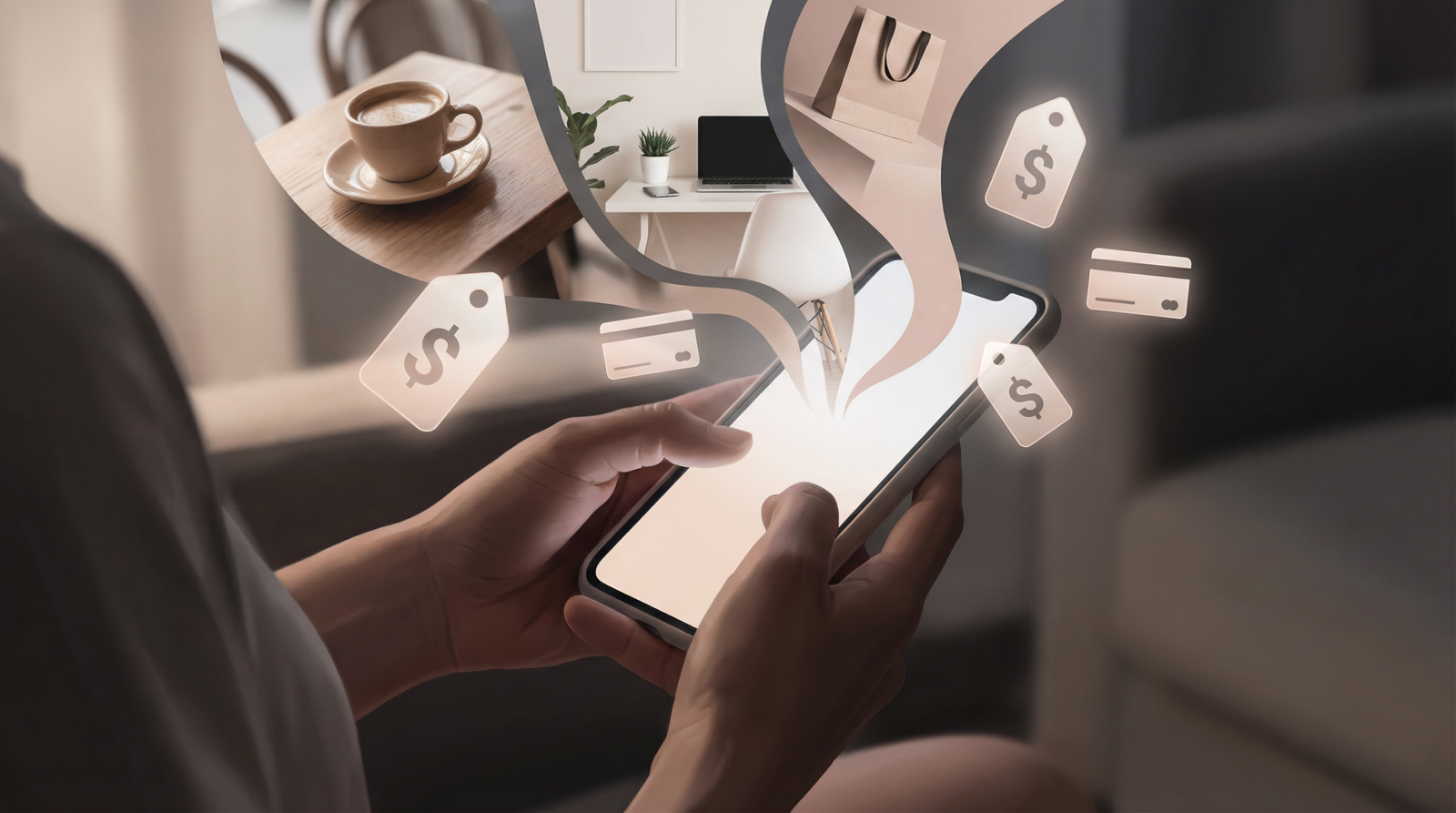
You’re lying in bed, mindlessly scrolling through Instagram before sleep. A post catches your eye: a minimalist workspace bathed in golden hour light, featuring a sleek laptop stand, a ceramic coffee mug, and a perfectly placed succulent. The caption reads something vague about “slow living” or “intentional mornings.” Within seconds, you’re clicking through to the brand’s profile. Within minutes, you’ve added three items to your cart. By morning, you’ve spent $87 on things that weren’t on any shopping list.
Sound familiar? You’re not alone. Instagram has transformed from a photo-sharing app into a sophisticated shopping engine that rewires how we make spending decisions. The platform’s visual-first design doesn’t just show you products—it sells you entire lifestyles, emotions, and aspirational identities. The real problem isn’t that you’re buying things on Instagram. It’s that the platform’s aesthetic language has become so persuasive that it bypasses your rational decision-making entirely, making impulse purchases feel like carefully considered choices.
This isn’t accidental. It’s psychological, it’s engineered, and it’s costing you more than you think.
The Psychology Behind Aesthetic-Driven Spending

Instagram operates on a fundamental truth about human cognition: our brains process images 60,000 times faster than text. When you encounter a beautifully styled product photo, your emotional response fires before your rational mind can assess whether you actually need the item. This split-second emotional reaction—desire, envy, aspiration—becomes the foundation of your purchasing decision, with logic playing catch-up or being dismissed entirely.
The platform amplifies three powerful psychological biases through its aesthetic content. Social proof manifests when you see hundreds of thousands of likes on a product post, signaling that “everyone” approves of this purchase. Aspiration kicks in when influencers present curated lifestyles that feel tantalizingly achievable with the right purchases. Scarcity appears in limited-edition drops and “link in bio” urgency that creates fear of missing out.
Consider the explosion of aesthetic coffee culture on Instagram. Users don’t just see coffee—they see marble countertops, artisanal pour-over equipment, minimalist packaging, and soft morning light. The actual quality of the coffee becomes secondary to the lifestyle it represents. The psychological message is clear: if this elevated morning routine looks normal and attainable in your feed, then the spending required to achieve it must also be normal.
Why Certain Instagram Aesthetics Make Products Feel More Valuable
Instagram aesthetics function as visual shortcuts that bypass traditional quality indicators. When products are presented within specific aesthetic frameworks—minimalist, maximalist, cottagecore, dark academia—they inherit perceived value from the visual language itself, regardless of actual quality or craftsmanship.
Aesthetic Frameworks and Their Pricing Psychology:
| Aesthetic Style | Color Palette | Perceived Value Signal | Price Expectation Impact |
|---|---|---|---|
| Minimalist | Whites, beiges, soft greys | Premium, refined, exclusive | +40-60% markup acceptance |
| Earth Tones | Terracotta, sage, cream | Natural, sustainable, ethical | +30-45% markup acceptance |
| Dark & Moody | Deep blacks, burgundy, forest green | Luxurious, sophisticated, bold | +35-50% markup acceptance |
| Bright & Pastel | Soft pinks, mint, lavender | Playful, trendy, youthful | +20-35% markup acceptance |
Minimalist aesthetics particularly dominate Instagram’s influence on spending decisions because they signal premium positioning through restraint. A skincare product photographed against a pure white background with perfect shadows commands a higher price point than the same product on a cluttered shelf. The visual simplicity suggests purity, quality control, and exclusivity—even when the actual ingredients are nearly identical to drugstore alternatives.
Lighting and composition further affect perceived product quality. Soft, natural lighting suggests authenticity and trustworthiness. Hard shadows and architectural compositions convey modernity and premium positioning. These visual cues create what psychologists call the “aesthetic-quality inference,” where beautiful presentation becomes indistinguishable from actual product superiority in consumers’ minds.
Case Study: Glossier’s Aesthetic Strategy
Glossier built a billion-dollar beauty brand primarily through Instagram aesthetics rather than traditional advertising. Their signature millennial pink packaging, minimalist product photography, and user-generated content featuring dewy, natural-looking skin created a cohesive visual identity that made $18 lip balms feel like essential luxury items. The brand’s aesthetic consistency transformed everyday beauty products into Instagram-worthy status symbols.
Influencers: When Aesthetics Become Trust
Influencer marketing succeeds not because of celebrity endorsement, but because of aesthetic alignment. When an influencer’s overall visual identity—their feed’s color grading, their home décor, their fashion choices—resonates with a follower’s aspirational self-image, that follower transfers trust from the aesthetic to the products featured within it.
This aesthetic trust operates differently from traditional advertising credibility. Followers don’t necessarily believe an influencer is an expert on skincare or home organization. Instead, they trust that the influencer’s aesthetic judgment—proven through their consistently appealing feed—extends to product selection. The parasocial relationship built through aesthetic familiarity makes product recommendations feel like advice from a stylish friend rather than marketing.
Micro-influencers (10,000-100,000 followers) often convert better precisely because their aesthetic feels more achievable. Their homes look aspirational but not impossibly luxurious. Their outfits feel expensive but not unattainable. This “reachable aspiration” makes the influence on spending decisions more powerful—if their lifestyle seems within grasp, so does the spending pattern required to achieve it.
The “Day in My Life” Content Strategy:
This format has become exceptionally effective at driving purchases without explicit promotion. An influencer films their morning routine, casually featuring a coffee maker, a specific brand of oat milk, a meditation app, and a particular skincare product. None are directly advertised, but all are normalized as components of an aspirational lifestyle. Viewers unconsciously absorb these products as prerequisites for achieving that aesthetic reality.
How Instagram’s Algorithm Amplifies Spending Triggers
Instagram’s algorithm doesn’t just show you content—it learns what aesthetics trigger your engagement and serves you more of them. The platform rewards visual consistency with higher reach, meaning that aesthetically cohesive brands and creators dominate your feed. This creates an echo chamber of similar visual languages that normalize specific spending patterns.
The algorithm prioritizes content that generates emotional engagement: saves, shares, and extended viewing time. Aesthetically striking content naturally performs better on these metrics, creating a feedback loop where beautiful product presentations receive exponentially more exposure than functional product information. When you engage with aesthetic content—even just by pausing to admire a well-styled photo—the algorithm interprets this as interest and floods your Explore page with similar temptations.
Why Aesthetic Content Dominates Explore and Reels:
- Visual storytelling increases watch time by 3-5x compared to static product photos
- Aesthetically cohesive feeds signal quality to the algorithm, receiving priority distribution
- Emotional engagement metrics (saves for “inspiration”) are weighted heavily in content ranking
- Reels featuring lifestyle aesthetics receive 22% more reach than product-focused content
This algorithmic amplification means that even if you follow only a few aesthetic-focused accounts, your entire feed gradually transforms into a curated shopping catalog disguised as lifestyle inspiration.
The Hidden Financial Impact on Everyday Users
The normalization of constant aesthetic consumption creates financial pressure that many users don’t recognize as platform-influenced. When your daily scroll exposes you to dozens of beautifully styled home renovations, wardrobe updates, and “little treat” purchases, these spending patterns begin to feel like baseline normal rather than aspirational excess.
Financial Impact by User Demographics:
| Age Group | Average Monthly Instagram-Influenced Spending | Most Common Purchase Categories |
|---|---|---|
| 18-24 | $143 | Fashion, beauty, tech accessories |
| 25-34 | $267 | Home décor, wellness, experiences |
| 35-44 | $189 | Home improvement, fitness, premium food |
| 45+ | $94 | Travel, hobbies, artisanal goods |
Research suggests that lower-income users may be more susceptible to aspirational spending triggers because Instagram collapses visible class distinctions. A perfectly styled $30 outfit can look indistinguishable from a $300 outfit in a well-curated photo. This visual democracy masks real financial trade-offs, encouraging spending beyond means to achieve aesthetic parity with what appears “normal” online.
The Home Décor Replacement Cycle:
Instagram has accelerated the turnover rate for home goods dramatically. Functional items get replaced not because they’ve worn out, but because they no longer fit current aesthetic trends. A perfectly good white vase gets replaced with a terracotta one when the earth-toned aesthetics trend. Throw pillows rotate seasonally to match influencer-driven color palettes. Each replacement feels like a small, justifiable upgrade rather than unnecessary spending.
Case Study: The Aesthetic Water Bottle Economy
Hydro Flask, S’well, and Stanley transformed the water bottle from a functional item into an aesthetic status symbol. The Stanley Quencher became a viral sensation not through superior insulation technology, but through color drops that created collecting behavior. Users now own multiple $45 water bottles in different shades to match outfit aesthetics—spending $200+ on a product category that previously cost $15 and lasted years.
When Aesthetics Override Smart Financial Decisions
The most insidious way Instagram aesthetics influence spending decisions is by creating emotional justifications that override rational budgeting. Visual desire becomes so powerful that it generates post-hoc rationalizations that feel like logical decision-making but are actually emotional spending dressed in practical language.
Common rationalization patterns include:
- “It’s an investment piece” (aesthetic appeal makes overpriced basics feel like long-term value)
- “I’ll save money in the long run” (buying premium aesthetic versions of things you already own)
- “It sparks joy” (weaponizing minimalism language to justify aesthetic purchases)
- “Self-care isn’t selfish” (conflating aesthetic consumption with mental health)
The “buy now, pay later” services that dominate Instagram shopping are perfectly designed to align with aesthetic-driven consumption. They remove the immediate financial pain of a purchase decision, making it easier to acquire aesthetic items impulsively. A $120 aesthetic desk lamp feels manageable as “4 payments of $30,” disconnecting the purchase from budget reality.
The Aesthetic vs. Practical Spending Gap:
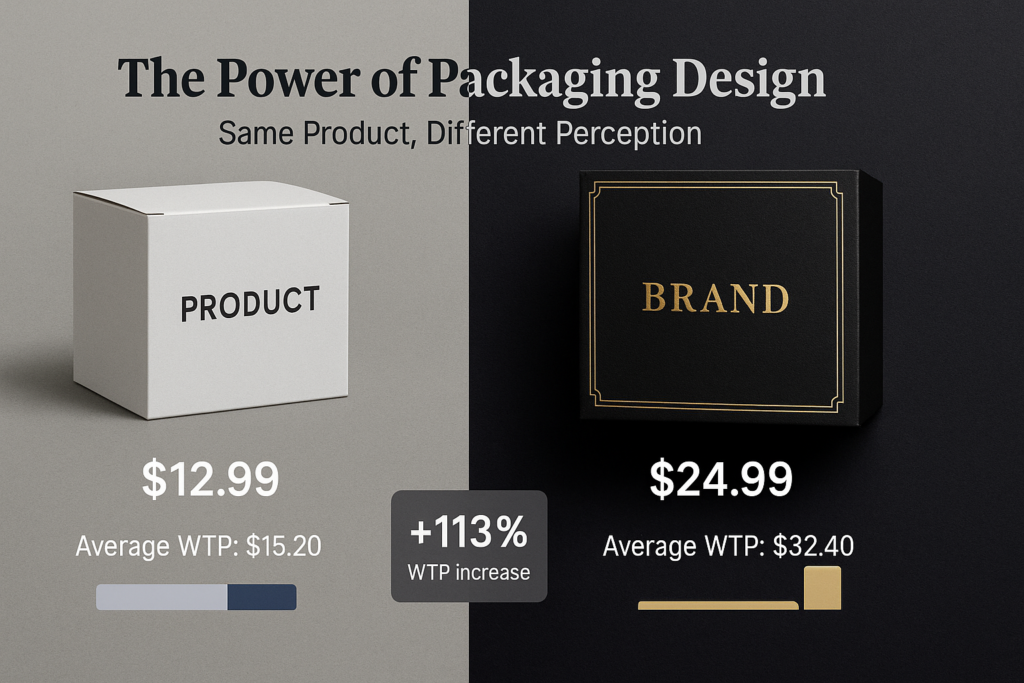
A 2024 consumer study found that users would pay 67% more for an aesthetically pleasing version of the same functional product. For example, participants budgeted $40 for a “good desk lamp” but were willing to spend $67 for the same lamp if it was photographed in an aesthetically cohesive workspace setup on Instagram. The aesthetic context added perceived value that had nothing to do with lighting quality.
How Brands Use Aesthetics to Drive Sales (Without Saying “Buy”)
Modern Instagram brands have mastered the art of selling through visual immersion rather than direct promotion. Instead of product-focused advertising, they create aesthetic universes that consumers want to inhabit. The products become access points to that lifestyle rather than items being sold.
Direct-to-Consumer Aesthetic Strategies:
Brand founders recognize that strong aesthetics can compensate for weak product differentiation. In saturated markets like candles, water bottles, or notebooks, the actual product differences are minimal. Aesthetic branding creates perceived distinction where functional distinction doesn’t exist.
Startups particularly leverage Instagram aesthetics to appear more premium than their actual market position. A three-month-old candle company can look as established as a luxury brand through consistent visual identity, influencer seeding, and aesthetic packaging. This “borrowed prestige” allows them to command premium prices despite having no brand heritage or proven quality track record.
The Lifestyle-First Selling Framework:
- Create an aesthetic identity that represents an aspirational lifestyle
- Populate content with that lifestyle (minimal product visibility initially)
- Build emotional investment in the aesthetic through consistent exposure
- Introduce products as lifestyle enablers rather than items for sale
- Leverage user-generated content to show the aesthetic in “real” contexts
Case Study: Reformation’s Climate-Conscious Aesthetic
Reformation built a fashion empire by creating an aesthetic identity around sustainability that commanded premium prices for relatively simple garments. Their Instagram feed featured minimalist photography, earth-toned color palettes, and transparency about production practices—all visually cohesive. The aesthetic became synonymous with conscious consumption, allowing them to charge $200+ for basic dresses while maintaining an image of ethical accessibility.
The Ethical Line: Influence or Manipulation?
At what point does aesthetic-driven marketing cross from influence into manipulation? The question becomes particularly pressing when visual techniques explicitly target psychological vulnerabilities—fear of social exclusion, body image insecurities, and financial anxiety masked as aspiration.
Instagram’s aesthetic economy operates in an ethical grey zone. Unlike traditional advertising, which is clearly demarcated and regulated, aesthetic influence is ambient and constant. There’s no “ad break” signaling that you should raise your critical defenses. The entire platform becomes a continuous flow of visual persuasion where lifestyle inspiration and product marketing are indistinguishable.
The platform contributes to comparison-driven financial stress by creating impossible aesthetic standards that require constant consumption to approach but never achieve. The feed refreshes endlessly with new aesthetic trends, ensuring that achieving the current look means you’re already behind the next one. This manufactured dissatisfaction drives perpetual spending without delivering the satisfaction that consumption promises.
How to Protect Yourself From Aesthetic-Driven Overspending
Awareness is your first defense against aesthetic manipulation. Recognizing that your emotional response to visual content is engineered—not spontaneous—creates critical distance between seeing something beautiful and buying it.
Practical Strategies for Conscious Consumption:
The 72-Hour Pause Rule
- Screenshot items you’re tempted to buy
- Revisit after 72 hours away from Instagram
- If you don’t remember why you wanted it, you didn’t actually need it
Separate Inspiration from Intention
- Create a private “aesthetic inspiration” folder for visual enjoyment
- Maintain a separate, practical shopping list based on actual needs
- Never shop directly from social media; always search products separately to compare
Track Aesthetic-Influenced Spending
- Review bank statements and tag Instagram-influenced purchases
- Calculate monthly totals to see the real financial impact
- Notice patterns in what aesthetics trigger your spending
Visual Detox Practices
- Unfollow accounts that consistently trigger purchase impulses
- Use Instagram’s “hide” function on shopping-heavy content
- Set app time limits during high-impulse periods (late night, payday)
Budgeting with Visual Awareness
- Allocate a specific “aesthetic spending” category
- Acknowledge that some spending is emotionally driven
- Work within that budget rather than pretending all purchases are “needs.”
Question the Aesthetic Premium
- Before buying, ask: “Would I pay this price if it came in plain packaging?”
- Research functional alternatives without aesthetic branding
- Calculate the “aesthetic tax” you’re paying beyond product value
Final Takeaway: Aesthetics Don’t Control You—Unless You Let Them
Instagram’s aesthetic power lies in its invisibility. When beautiful visuals shape your spending decisions, it feels like personal taste rather than external influence. But recognizing the platform’s psychological architecture doesn’t mean abandoning visual inspiration entirely—it means engaging with it consciously rather than compulsively.
The feed is engineered to be persuasive, algorithmically optimized to show you exactly what will trigger engagement and spending. But your financial decisions don’t have to follow the same script. Aesthetics are tools for brands and creators to communicate value and lifestyle aspiration. They only control your spending when you mistake their curated reality for your actual needs.
The most empowering realization is this: you can appreciate beauty without buying it. You can find inspiration without extraction. The perfectly styled life in your feed doesn’t require your credit card to exist—it already exists, in someone else’s carefully constructed frame. Your life, your budget, and your financial future deserve better than chasing aesthetics designed to be perpetually just out of reach.
FAQs
Q. Why do minimalist Instagram aesthetics feel more premium?
- Minimalist visuals signal exclusivity, simplicity, and high value, which psychologically increases perceived product quality—even when the product itself is ordinary.
Q. Do Instagram influencers really affect how people spend money?
- Yes. Influencers build trust through consistent aesthetics and lifestyle storytelling, which makes followers more likely to adopt their spending habits.
Q. Can Instagram cause people to overspend?
- Constant exposure to curated lifestyles normalizes frequent purchases and luxury consumption, often leading to impulse buying and lifestyle inflation.
Q. How can users avoid aesthetic-driven impulse buying?
- By recognizing visual triggers, separating inspiration from intention, and pausing before purchases, users can regain control over spending decisions.
Q. Why does Instagram show so much aesthetic content?
- Instagram’s algorithm prioritizes visually cohesive and emotionally engaging content because it increases time spent on the platform and user interaction.

Abhishek Kandir is the founder and lead writer at Paisewaise, a personal
finance publication covering Indian markets, budgeting, and investing since 2023.
Abhishek’s work focuses on making complex financial topics — from RBI
Interventions to SIP strategies — understandable for everyday Indian readers
without a financial background.