
30-Day No-Spend Challenge: What I Learned
The idea of a 30-day no-spend challenge sounds simple enough: stop buying things you don’t absolutely need for 30 days. But when I first heard about this personal finance experiment, I was skeptical. Could I really complete a 30-day no-spend challenge without my usual coffee shop visits, impulse Amazon purchases, or weekend shopping trips? The concept of a no-spend challenge intrigued me nonetheless. After watching my bank account dwindle month after month despite having a decent income, I knew something had to change.
My motivation for starting a 30-day no-spend challenge was straightforward—I wanted to break the cycle of mindless spending and actually see where my money was going. What started as a financial reset quickly became an eye-opening journey into my relationship with money, consumption, and what I truly valued. The first day of the 30-day no-spend challenge felt exciting, like the start of any new adventure. By day three, reality hit hard.
But what I discovered over those 30 days transformed not just my bank account, but my entire approach to living. Here’s everything I learned from my 30-day no-spend challenge, the struggles I faced, and the surprising benefits that extended far beyond just saving money.
Preparing for the Challenge
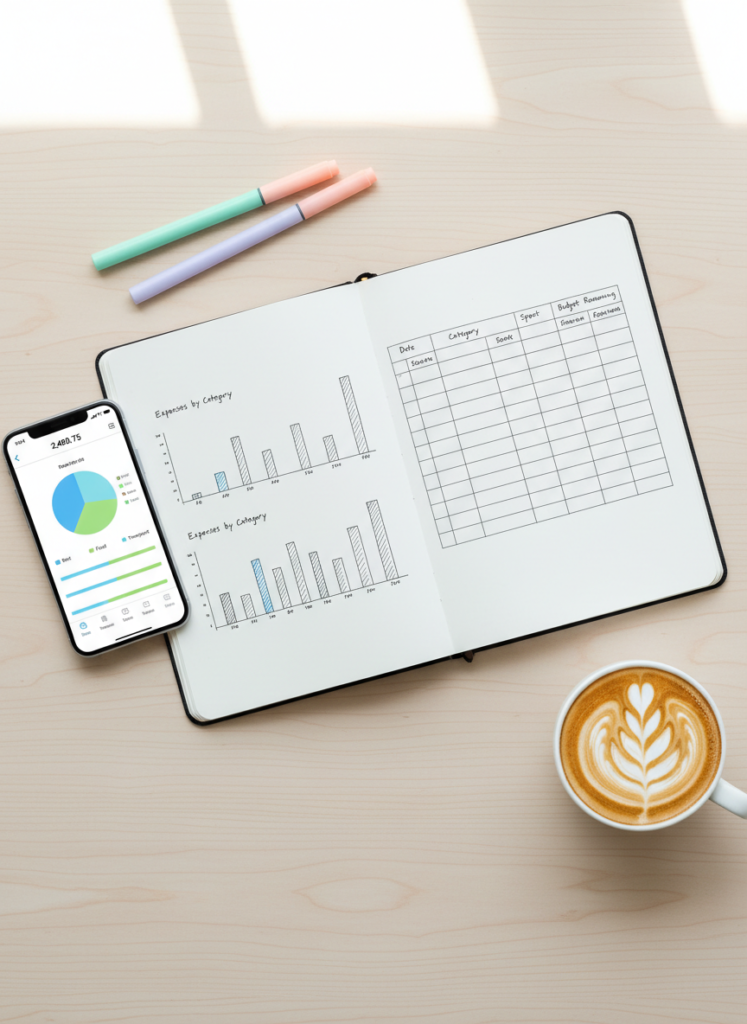
Success in any 30-day no-spend challenge starts with proper preparation, and my experience was no exception. Before diving into the 30-day no-spend challenge, I spent a full week analyzing my spending patterns from the previous three months. I categorized every expense, which revealed some uncomfortable truths about where my money actually went. Using this data, I created a realistic plan for my 30-day no-spend challenge that wouldn’t leave me stranded or miserable.
The first step in preparing for the 30-day no-spend challenge was defining what “no-spend” actually meant for me. I established clear rules: no discretionary spending whatsoever. This meant no dining out, no entertainment purchases, no clothes, no gadgets, and no subscription upgrades. However, I allowed necessary exceptions, including groceries, bills, medication, and previously committed expenses like my gym membership that I’d already paid for. I also gave myself a small emergency fund for genuine unexpected costs.
For tracking during the 30-day no-spend challenge, I used a combination of tools. The Mint app helped me monitor my accounts in real-time, while a simple spreadsheet became my daily spending journal where I recorded every temptation I resisted and every dollar I didn’t spend. I also started a notes app on my phone where I’d write down items I wanted to buy, with the rule that if I still wanted them after the 30-day no-spend challenge, I could reconsider. This “wish list” approach became one of my most effective strategies.
Finally, I told close friends and family about my 30-day no-spend challenge, which created accountability and helped them understand why I’d be declining certain invitations.
Biggest Challenges and Temptations
If I’m being honest, the hardest part of the 30-day no-spend challenge wasn’t saying no to big purchases—it was the daily micro-temptations that nearly broke me. My morning coffee ritual was the first casualty of the 30-day no-spend challenge. For two years, I’d stopped at the same café every workday morning, spending roughly five dollars without thinking twice.
On day four of the 30-day no-spend challenge, my autopilot brain nearly drove me straight to the drive-through. I had to physically remind myself why I was doing this challenge and brew coffee at home instead.
Social pressures created unexpected difficulties during the 30-day no-spend challenge. When friends invited me to dinner or weekend outings, I faced an awkward choice: explain my 30-day no-spend challenge and risk sounding preachy about money, or make excuses and risk seeming flaky. I chose honesty, and while most people were supportive, a few seemed to take it personally. One friend asked, “You can’t spend twenty dollars on dinner with us?” That stung, but I stayed committed to the 30-day no-spend challenge by suggesting alternative hangouts like hiking or movie nights at home.
| Temptation Category | Frequency | Strategy Used |
|---|---|---|
| Coffee/food purchases | Daily | Made coffee/meals at home |
| Online shopping | 3-4 times/week | Deleted shopping apps, used the wish list |
| Social outings | Weekly | Suggested free alternatives |
| Convenience purchases | Daily | Planned ahead, brought essentials |
| Subscription services | One-time | Reminded myself of commitment |
The most impossible category to eliminate completely was food-related spending beyond groceries. I attended a family birthday celebration where refusing to chip in for the group dinner would have been genuinely offensive. I made an exception, but logged it and adjusted my expectations. The key strategy that worked was the ten-minute rule: whenever I felt tempted, I’d wait ten minutes and ask myself if I truly needed the item or just wanted the dopamine hit of purchasing. Nine times out of ten, the urge passed.
Surprising Discoveries About Spending Habits
The 30-day no-spend challenge became a mirror reflecting spending patterns I’d never noticed before. My biggest revelation during the 30-day no-spend challenge came in week two when I realized I’d been paying for three streaming services I barely used, a meditation app I’d opened twice in six months, and a premium music subscription when I mostly listened to free playlists anyway. These “small” monthly charges totaled nearly sixty dollars—money that vanished automatically without my conscious awareness.
Even more surprising during my 30-day no-spend challenge was discovering how much I spent on convenience. Pre-challenge, I’d order food delivery at least twice a week, paying premium fees because I was “too tired” to cook. I’d buy lunch near my office instead of packing food. I’d purchase items I already owned at home simply because I forgot I had them.
When I started actually looking in my pantry and closets during the 30-day no-spend challenge, I found duplicates of everything from phone chargers to spices to notebooks.
The psychological revelation of the 30-day no-spend challenge hit hardest: I wasn’t buying things because I needed them, but because shopping had become my default response to boredom, stress, or even happiness. Feeling anxious? Browse online stores. Had a good day? Treat myself to something. Feeling bored on a Sunday? Head to Target “just to look around.” The 30-day no-spend challenge forced me to confront the reality that I’d been using consumption as emotional regulation, and those small purchases added up to hundreds of dollars monthly.
Common Spending Patterns I Uncovered
| Spending Trigger | Typical Purchase | Monthly Cost |
|---|---|---|
| Boredom | Online browsing/impulse buys | $80-120 |
| Stress | Food delivery, coffee runs | $100-150 |
| Social comparison | Clothes, gadgets, experiences | $150-200 |
| Convenience | Ready-made food, duplicates | $60-90 |
| Forgotten subscriptions | Apps, services, memberships | $60 |
Perhaps the most eye-opening discovery from the 30-day no-spend challenge was realizing that I’d conflated spending money with self-care. A “treat yourself” mentality had morphed into justifying nearly any purchase as deserved or necessary for my well-being. The 30-day no-spend challenge taught me that real self-care often costs nothing—a walk outside, calling a friend, or reading a book I already owned provided more lasting satisfaction than any impulse purchase ever had.
Mental and Lifestyle Impact

What started as a financial experiment in the 30-day no-spend challenge quickly transformed into a profound shift in my mental landscape. Initially, I expected to feel deprived and restricted during the 30-day no-spend challenge, but the opposite happened. By week two of the 30-day no-spend challenge, I experienced an unexpected sense of liberation.
Without the constant mental noise of “should I buy this?” decisions throughout the day, I had more mental energy for things that actually mattered. Decision fatigue decreased significantly when I simply removed spending as an option during the 30-day no-spend challenge.
My relationship with stress changed noticeably during the 30-day no-spend challenge. Previously, a rough day at work meant comfort shopping or ordering expensive takeout. Without those coping mechanisms available during the 30-day no-spend challenge, I was forced to develop healthier stress responses. I started taking evening walks, journaling, and actually using the yoga mat I’d bought six months earlier. These activities provided more genuine relief than any purchase ever had, and the benefits lasted beyond the moment of transaction.
The social impact of the 30-day no-spend challenge was more complex. I did have to decline some invitations, which initially felt isolating. However, I became more creative about suggesting alternatives during the 30-day no-spend challenge. Instead of meeting friends for expensive brunches, I invited them for morning hikes followed by homemade coffee.
Rather than going to bars, I hosted game nights. Surprisingly, many friends appreciated these alternatives during my 30-day no-spend challenge—they were tired of overspending, too. The challenge helped me identify which friendships were based on shared activities versus shared consumption, and I grew closer to people who valued connection over commerce.
Mental and Lifestyle Changes Observed
| Aspect | Before Challenge | After 30 Days |
|---|---|---|
| Stress management | Shopping, food delivery | Exercise, hobbies, journaling |
| Decision fatigue | High (constant buy/don’t buy) | Significantly reduced |
| Social activities | Mostly spending-based | Mix of free and paid options |
| Free time usage | Scrolling/shopping apps | Reading, hobbies, outdoor activities |
| Overall mindset | Scarcity, FOMO | Abundance, contentment |
I discovered genuine enjoyment in activities that cost nothing during the 30-day no-spend challenge. My local library became a weekly destination, offering not just books but free events, movies, and even museum passes. I explored parks and hiking trails I’d driven past countless times but never visited. I started cooking elaborate meals as entertainment rather than a chore.
These weren’t consolation prizes for not spending during the 30-day no-spend challenge—they became highlights of my week. The 30-day no-spend challenge revealed that I’d been so focused on what money could buy that I’d overlooked the abundance already available to me. My stress levels actually decreased during the 30-day no-spend challenge, and I felt more present in my daily life rather than constantly planning the next purchase.
Financial Results and Lessons Learned
The financial results of my 30-day no-spend challenge exceeded my expectations. I saved $1,847 in that single month—nearly three times what I typically managed to save. Breaking down the numbers revealed where the savings came from: $320 from eliminated food delivery and dining out, $180 from skipped coffee shop visits, $290 from avoided impulse purchases, $87 from unused entertainment expenses, and approximately $970 from larger discretionary items I would have normally bought without much thought.
Beyond the immediate savings, the challenge inspired concrete long-term financial goals. For the first time, I could clearly see the connection between daily choices and bigger financial objectives. That $1,847 represented a significant chunk toward my emergency fund goal of six months’ expenses. It was more than enough to open the investment account I’d been “planning to start” for two years. The tangible results made abstract financial advice suddenly feel real and achievable.
30-Day Financial Breakdown
| Category | Typical Monthly Spending | Challenge Spending | Amount Saved |
|---|---|---|---|
| Dining out & delivery | $380 | $60 | $320 |
| Coffee shops | $180 | $0 | $180 |
| Impulse purchases | $290 | $0 | $290 |
| Entertainment | $125 | $38 | $87 |
| Clothing & accessories | $220 | $0 | $220 |
| Miscellaneous shopping | $750 | $0 | $750 |
| Total | $1,945 | $98 | $1,847 |
The most valuable lesson wasn’t about the money I saved, but about the spending awareness I gained. Post-challenge, I implemented several lasting changes to my financial approach. I started using the 48-hour rule for any non-essential purchase over twenty-five dollars—if I still wanted it after two days, I’d consider buying it. I unsubscribed from promotional emails that triggered unnecessary spending. I began tracking every expense in real-time rather than reviewing statements with regret at the month’s end.
Unexpected financial benefits emerged as well. My credit card balance, which I’d been carrying month to month, finally got paid down significantly. I stopped incurring late fees because I was actually paying attention to my accounts. I discovered cash-back opportunities I’d been missing and optimized my bill payments. Most importantly, I developed confidence in my ability to control my financial future. Money was no longer something that mysteriously disappeared—it was a tool I could actively manage. The challenge proved that my financial situation wasn’t about my income level, but about my spending consciousness.
Tips and Advice for Trying It Yourself
If you’re considering your own 30-day no-spend challenge, preparation and flexibility are your best friends. Start by defining your rules clearly before day one of your 30-day no-spend challenge. Decide what counts as essential versus discretionary spending for your unique situation. Someone with dietary restrictions might need different food exceptions for their 30-day no-spend challenge than I did. A parent will have different necessities than a single person. Make the 30-day no-spend challenge work for your life, not against it.
The strategy that helped me most during my 30-day no-spend challenge was finding free substitutes for paid habits before starting. If you regularly buy coffee, learn to make versions you love at home before beginning your 30-day no-spend challenge. If you typically spend on entertainment, research free events in your area ahead of time. Stock your pantry and freezer with ingredients for meals you enjoy. The 30-day no-spend challenge shouldn’t feel like punishment—it should feel like an interesting experiment in living differently.
Build in accountability but also compassion for your 30-day no-spend challenge. Tell supportive people about your goal, join online communities doing similar 30-day no-spend challenges, or find an accountability partner. However, if you slip up during your 30-day no-spend challenge, don’t abandon the entire effort. I made two small exceptions during my 30 days, logged them honestly, and continued forward. Perfection isn’t the goal of a 30-day no-spend challenge—awareness and growth are.
Essential Tips for Success
- Week before starting your 30-day no-spend challenge: Audit your current spending, set clear rules, stock up on essentials, and find free alternatives to paid habits
- During the 30-day no-spend challenge: Track daily, use the ten-minute rule for temptations, maintain your wish list, engage with supportive communities
- When tempted during your 30-day no-spend challenge: Ask yourself if it’s a need or want, consider the opportunity cost, remember your why
- For sustainability in your 30-day no-spend challenge: Allow essential exceptions, don’t isolate yourself socially, focus on what you’re gaining rather than losing
- After completing your 30-day no-spend challenge: Review what worked, identify habits to keep, adjust approach for any future challenges
If I tried another 30-day no-spend challenge, I’d make a few adjustments. I’d schedule one “connection exception” per week for social outings with friends, because relationships matter more than strict rules in any 30-day no-spend challenge. I’d also batch my exceptions rather than spreading them out—perhaps allowing myself one planned purchase per week rather than a complete restriction. The goal of a 30-day no-spend challenge should be mindful spending, not deprivation.
Make your 30-day no-spend challenge feel rewarding by visualizing your saved money. I created a simple chart where I added the amount I didn’t spend each day, watching the total grow. That visual progress was incredibly motivating during my 30-day no-spend challenge. Some people find it helpful to physically transfer their daily savings into a separate account they can watch grow. Find what motivates you personally and use it to maintain momentum through the full 30-day no-spend challenge.
Conclusion
The 30-day no-spend challenge taught me far more than I expected when I started this experiment. Yes, I saved nearly two thousand dollars in a single month with my 30-day no-spend challenge, which was remarkable. But the real transformation from the 30-day no-spend challenge happened in my mindset, my habits, and my relationship with money and consumption. I learned through the 30-day no-spend challenge that most of my spending was habitual rather than intentional, driven by emotions rather than needs, and often substituting for things that money can’t actually buy—like genuine connection, contentment, and peace of mind.
The financial benefits of the 30-day no-spend challenge were substantial and immediate, but the lifestyle benefits proved even more valuable. I discovered free activities I genuinely enjoy, developed healthier stress responses, and built stronger friendships based on shared experiences rather than shared expenses through the 30-day no-spend challenge. I gained confidence in my ability to make conscious choices rather than defaulting to autopilot spending. These lessons from my 30-day no-spend challenge have stayed with me long after the 30 days ended, fundamentally changing how I approach consumption in my daily life.
If you’ve been feeling like your money disappears each month without much to show for it, or if you’re curious about your own spending patterns, I encourage you to try your own 30-day no-spend challenge. It doesn’t have to be perfect, and your challenge doesn’t have to be exactly 30 days. Even a week or two of intentional no-spend can provide valuable insights.
This challenge isn’t about deprivation—it’s about discovering what you truly value and aligning your spending with those values. You might be surprised by what you learn about yourself through the challenge, and you’ll definitely be surprised by how much you can save when you simply pay attention. The best investment I made this year cost nothing at all—it was the decision to pause, observe, and choose differently through my 30-day no-spend challenge.
FAQs
Q: How do I prepare for a no-spend challenge?
- Preparation includes setting clear rules, tracking unavoidable expenses, creating a budget, and identifying tools or apps to monitor spending.
Q: What can I learn from doing a no-spend challenge?
- Participants often discover overspending habits, improve financial discipline, reduce stress, and develop a more mindful approach to money.
Q: Are there any exceptions allowed during a no-spend challenge?
- Yes, most challenges allow essential expenses such as rent, bills, groceries, and medications. Some even include small discretionary allowances to stay sustainable.
Q: How much money can I save in 30 days?
- Savings vary depending on prior spending habits, but many people save hundreds of dollars by cutting non-essential purchases and small daily expenses.

Abhishek Kandir is the founder and lead writer at Paisewaise, a personal
finance publication covering Indian markets, budgeting, and investing since 2023.
Abhishek’s work focuses on making complex financial topics — from RBI
Interventions to SIP strategies — understandable for everyday Indian readers
without a financial background.