

Introduction
In today’s economy, where inflation impacts everything from groceries to housing, understanding personal finance isn’t just helpful—it’s essential. Yet most of us never received formal financial education in school, leaving many young adults navigating money matters through trial and error.
The most common mistakes beginners make include living paycheck to paycheck without savings, accumulating high-interest debt, and delaying investing because they think they need thousands to start. This guide will walk you through actionable personal finance tips that can transform your relationship with money, regardless of your current income level.
Understanding the Basics of Personal Finance
Personal finance is simply how you manage your money throughout your life. It encompasses every financial decision you make—from your morning coffee purchase to planning for retirement decades away.
The four pillars of personal finance are straightforward:
Income is money flowing in from your job, side hustles, or investments. Expenses are what you spend on necessities and wants. Savings represent money set aside for future needs or emergencies. Investments are assets purchased to generate returns over time.
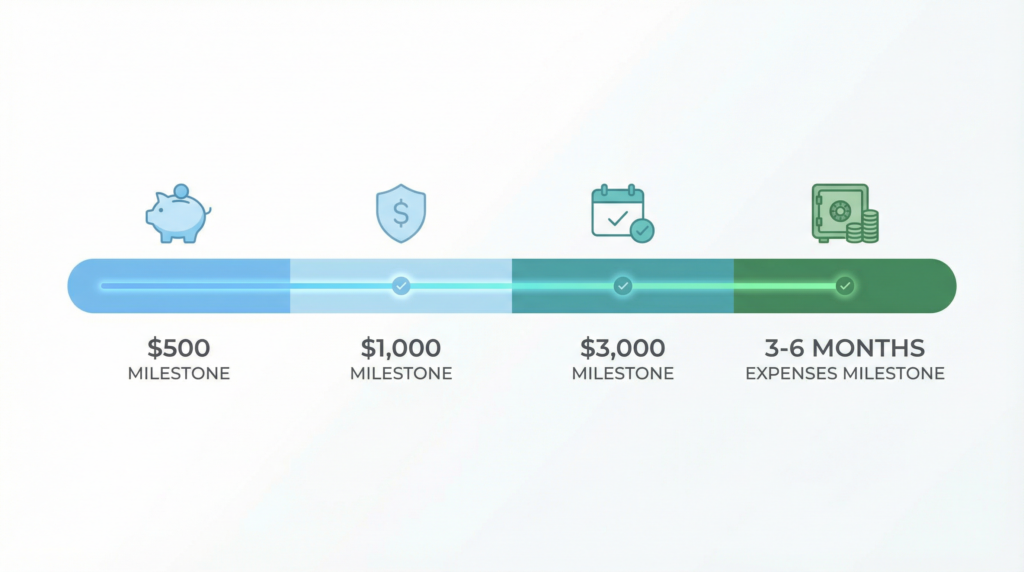
Setting realistic financial goals as a beginner means starting where you are. If you’re living paycheck to paycheck, your first goal might be saving $500 for emergencies. Once achieved, you can aim higher—perhaps three months of expenses or starting retirement contributions.

Create a Simple Budget That Works
Budgeting is the foundation of every successful financial plan. Without knowing where your money goes, you can’t make informed decisions about where to cut back or save more.
The 50/30/20 rule is one of the most beginner-friendly personal finance tips: allocate 50% of after-tax income to needs (housing, food, utilities), 30% to wants (entertainment, dining out), and 20% to savings and debt repayment.
Zero-based budgeting assigns every dollar a purpose before the month begins, ensuring nothing slips through the cracks. You budget until income minus expenses equals zero.
For tracking expenses, beginners can start with simple methods: review your last three months of bank statements to identify spending patterns, use free apps like Mint or YNAB, or even maintain a basic spreadsheet. The key is consistency—track everything for at least 30 days to understand your true spending habits.
Build an Emergency Fund First
An emergency fund is money set aside exclusively for unexpected expenses—medical bills, car repairs, sudden job loss. This financial cushion prevents you from going into debt when life throws curveballs.
How much should beginners save?
| Stage | Target Amount | Timeline |
|---|---|---|
| Starter Emergency Fund | $500-$1,000 | 2-3 months |
| Basic Emergency Fund | 1 month of expenses | 6-9 months |
| Full Emergency Fund | 3-6 months of expenses | 1-2 years |
Keep emergency savings in high-yield savings accounts that offer easy access but are separate from your checking account. This separation reduces temptation to dip into funds for non-emergencies while earning modest interest.
Personal Finance Tips and Tricks for Beginners
These practical strategies make managing money almost effortless:
- Automate everything possible. Set up automatic transfers to savings accounts on payday and automate bill payments to avoid late fees. When saving is automatic, you adapt your spending to what remains rather than saving what’s leftover.
- Cut expenses without sacrifice by identifying “zombie subscriptions”—services you pay for but rarely use. According to research, the average person wastes $273 monthly on unused subscriptions. Audit your recurring charges quarterly.
- Use financial apps wisely. Budgeting apps, expense trackers, and investment platforms simplify money management, but don’t let app overload create confusion. Choose two or three tools and master them.
- Avoid common financial traps like lifestyle inflation (spending more as you earn more), keeping up with peers’ spending, and making emotional purchases. Wait 48 hours before non-essential purchases over $50—this simple rule prevents countless impulse buys.
Manage Debt the Smart Way
Not all debt is created equal. Good debt finances appreciating assets or income-generating opportunities—mortgages, student loans for high-earning degrees, business loans. Bad debt finances depreciating items or lifestyle expenses—credit card balances, personal loans for vacations, high-interest auto loans.
To pay off high-interest debt faster, use either the avalanche method (targeting the highest interest rates first to save money) or the snowball method (paying the smallest balances first for psychological wins).
Credit card responsibility for beginners:
- Pay the full balance monthly to avoid interest charges
- Keep credit utilization below 30% of your limit
- Never use credit for purchases you can’t afford with cash
- Treat credit cards as payment tools, not loan sources
Personal Finance Tips for Millennials
Millennials face unique challenges: student loan debt averaging $30,000, rising housing costs, and entering the workforce during economic uncertainty.
Managing student loans requires understanding your repayment options—income-driven plans, refinancing opportunities, or accelerated payments. Balance aggressive loan payoff with retirement contributions; don’t sacrifice your 30s savings years entirely to debt.
Lifestyle vs. long-term goals is the millennial tightrope walk. Enjoy experiences and live meaningfully while saving—it’s not either/or. Consider the 50/30/20 rule, but adjust percentages as income grows.
Career transitions are common for millennials who average 12 job changes throughout their careers. Maintain 6 months of expenses in emergency funds during transitions and keep retirement accounts from old employers active or roll them into IRAs.
Personal Finance Tips for Gen Z
Gen Z possesses a massive advantage: time. Starting financial habits at 20 versus 30 can mean hundreds of thousands more at retirement thanks to compound interest.
Smart saving from the first paycheck means contributing to retirement immediately, even if it’s just 3-5%. Save your first raise entirely before your lifestyle adjusts upward.
Buy-now-pay-later dangers are particularly relevant for Gen Z. Services like Affirm and Klarna seem harmless but encourage overspending and can damage credit if payments are missed. If you can’t afford something today, you likely can’t afford the installment payments either.
Digital finance tools offer Gen Z unprecedented money management capabilities, but safeguard accounts with strong passwords, two-factor authentication, and skepticism toward fintech promises that sound too good to be true.
Start Investing Early (Even With Small Amounts)
This is among the most powerful personal finance tips: time in the market beats market timing. Someone investing $200 monthly from age 25 to 35 (just $24,000 total) will have more at retirement than someone investing $200 monthly from 35 to 65 ($72,000 total), assuming 7% annual returns.
Beginner-friendly investment options:
| Investment Type | Risk Level | Best For |
|---|---|---|
| Target-Date Funds | Low-Medium | Set-it-and-forget retirement saving |
| Index Funds (S&P 500) | Medium | Long-term growth with diversification |
| Robo-Advisors | Low-Medium | Hands-off automated investing |
| Individual Stocks | High | Experienced investors willing to research |
Diversification means spreading investments across different assets to reduce risk. Don’t put all your money in one company or even one sector.
Avoid beginner mistakes like trying to time the market, panic-selling during downturns, or investing money you’ll need within five years.
Protect Your Finances With Insurance
Insurance often feels like wasted money until you need it. These types matter most for beginners:
Health insurance prevents medical debt from destroying financial progress. Renter’s or homeowner’s insurance protects your belongings and liability. Auto insurance is legally required and financially prudent. Life insurance becomes important when others depend on your income.
Term life insurance is affordable for young, healthy individuals—often $20-30 monthly for substantial coverage. Disability insurance protects your income if illness or injury prevents working.
Increase Your Income Over Time
The best personal finance tips include this reality: you can only cut expenses so much, but income potential is unlimited.
Side hustles suited for beginners include freelancing skills you already possess, rideshare driving, online tutoring, pet sitting, or selling items online. Start small and scale what works.
Upskilling through certifications, online courses, or degree programs increases earning potential. Invest in education that directly correlates with salary increases in your field.
Career-focused financial planning means negotiating salaries confidently, tracking your market value, and being willing to change employers for significant raises.
Build Long-Term Financial Habits
Financial success comes from consistency, not perfection. Missing one savings contribution or overspending one month doesn’t derail progress—giving up does.
Review finances monthly. Spend 30 minutes reviewing expenses, checking progress toward goals, and adjusting as needed. This habit alone transforms financial trajectories.
Adjust goals as income grows. When you receive raises, increase retirement contributions before lifestyle expenses expand. Save at least 50% of every raise.
Life changes constantly—marriage, children, career shifts, economic conditions. Your financial plan should flex with these changes while maintaining core principles.
Conclusion
These personal finance tips share a common thread: they’re simple to understand but require consistent action. You don’t need to implement everything immediately—pick three strategies that resonate most and master them before adding more.
Remember that comparing yourself to others is pointless because you don’t know their full financial picture. Someone driving a luxury car might be drowning in debt, while your used car represents actual wealth.
Start small today. Open that high-yield savings account, automate a $25 weekly transfer, or finally review last month’s expenses. Financial success isn’t a race with a finish line—it’s a journey of increasingly better decisions, each building upon the last. You don’t need to be perfect; you just need to begin.
FAQs
Q. What are the most important personal finance tips for beginners?
- The most important personal finance tips for beginners include creating a simple budget, building an emergency fund, avoiding high-interest debt, and starting to save or invest early, even with small amounts.
Q. How can personal finance tips help improve money management?
- Personal finance tips help improve money management by teaching individuals how to track expenses, control spending, set financial goals, and make informed decisions about saving, investing, and debt.
Q. Are personal finance tips different for millennials and Gen Z?
- Yes, personal finance tips can vary for millennials and Gen Z based on income levels, debt responsibilities, and career stages, but core principles like budgeting, saving, and responsible credit use apply to both.
Q. Can personal finance tips really help you save more money?
- Personal finance tips can significantly help you save more money by encouraging automation, reducing unnecessary expenses, prioritizing emergency savings, and developing consistent financial habits.
Q. Where can beginners find reliable personal finance tips?
- Beginners can find reliable personal finance tips from reputable finance blogs, certified financial planners, government financial education websites, and trusted personal finance tools and apps.

Abhishek Kandir is the founder and lead writer at Paisewaise, a personal
finance publication covering Indian markets, budgeting, and investing since 2023.
Abhishek’s work focuses on making complex financial topics — from RBI
Interventions to SIP strategies — understandable for everyday Indian readers
without a financial background.


-
-
-
-
-
-
-
Show CommentsThis kind of content is much more useful than typical marketing-style posts.
[…] choosing the right apps to building habits that stick. Let’s transform your smartphone into a personal finance command center where you can track your spending […]
[…] The contradiction is striking. In an era of algorithmic investing and cryptocurrency, millions are returning to a technique their grandparents might have used. This article examines why an analog cash system is resonating in a digital economy, what it actually accomplishes, and where the enthusiasm disconnects from the underlying mechanics of personal finance. […]
[…] stop buying things you don’t absolutely need for 30 days. But when I first heard about this personal finance experiment, I was skeptical. Could I really complete a 30-day no-spend challenge without my usual […]
[…] decades, personal finance experts have preached the gospel of meticulous budgeting: track every dollar, categorize every […]
[…] how often should you budget? Weekly vs monthly budgeting is one of the most common comparisons in personal finance management tips, and the answer isn’t the same for […]
[…] lakh. The rest — ₹8 lakh — is entirely the market working on your behalf. This is why every personal finance article tells you to start early. Not because ₹500 is life-changing money today, but because time […]