
8 Things People Regret Buying After the Hype Fades (And How to Avoid the Same Mistake)
Why Hype Feels So Good—Until It Doesn’t
You’ve seen it everywhere. Your favorite influencer swears by it. The reviews are glowing. Your friends are already posting about it. Suddenly, not buying feels riskier than spending the money.
This is the seductive pull of hype culture—where trending products create an emotional high that feels almost like urgency. The dopamine rush of clicking “add to cart” on something everyone wants is real and powerful.
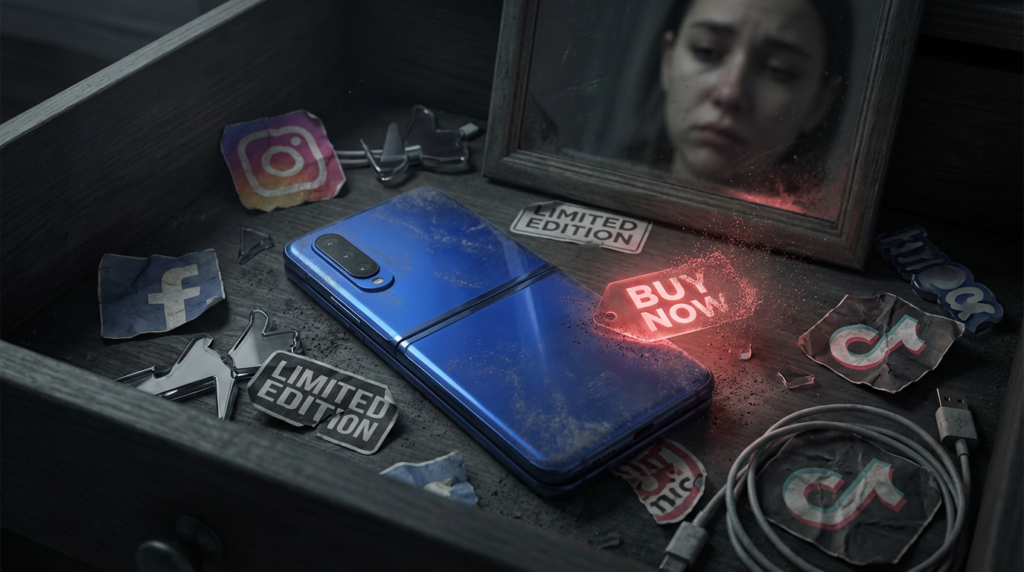
But here’s what rarely gets talked about: buyer’s remorse doesn’t arrive immediately. It creeps in weeks or months later, when that “life-changing” gadget sits untouched in your drawer, when the trendy outfit never leaves the closet, or when the expensive course remains 90% unwatched.
Consider the air fryer phenomenon of 2020-2021. Millions bought them during the pandemic hype, convinced they’d revolutionize home cooking. Today, many of those same air fryers collect dust while their owners quietly return to their regular ovens and stovetops.
This isn’t fundamentally a money problem—it’s a psychology problem disguised as smart shopping. And understanding the difference might save you thousands.
Why Do People Feel Pressured to Buy Trending Products?
The pressure to buy viral products stems from deeply ingrained psychological triggers that marketers exploit with surgical precision.
Social proof creates the illusion that “everyone has it, so it must be good.” When you see the same product across multiple platforms—TikTok, Instagram, YouTube—your brain interprets repetition as validation. This isn’t rational evaluation; it’s cognitive shortcut-taking.
Influencer normalization makes unnecessary purchases feel essential. When someone you admire casually mentions using a $300 skincare device in their morning routine, it shifts from luxury to “lifestyle necessity” in your perception.
FOMO disguised as smart buying is perhaps the most insidious trigger. Limited-time drops, countdown timers, and “only 3 left in stock” warnings create artificial urgency that bypasses your rational decision-making process entirely.
The psychological warfare is real: these aren’t random marketing tactics but carefully designed systems that exploit how human brains process scarcity, social validation, and opportunity cost.
How Long Does Hype Last Before Regret Kicks In?
The hype-to-regret timeline follows a predictable pattern that most buyers don’t anticipate.
The typical cycle looks like this:
- Week 1-2: Peak excitement and frequent use
- Week 3-4: Novelty begins fading
- Month 2-3: Reality sets in; actual utility becomes clear
- Month 3+: Regret crystallizes as the purchase sits unused
Research on consumer behavior suggests most buyer’s remorse appears within the first 30 to 90 days after purchase, once the emotional high dissipates and practical reality dominates.
The January fitness equipment phenomenon perfectly illustrates this timeline. Treadmills and Peloton bikes purchased during the New Year’s resolution season see peak usage in January, declining use in February, and often complete abandonment by March. The equipment doesn’t fail—the emotional state that justified the purchase simply evaporates.
The 8 Things People Regret Buying After the Hype Fades
1. Viral Tech Gadgets That Promised Convenience
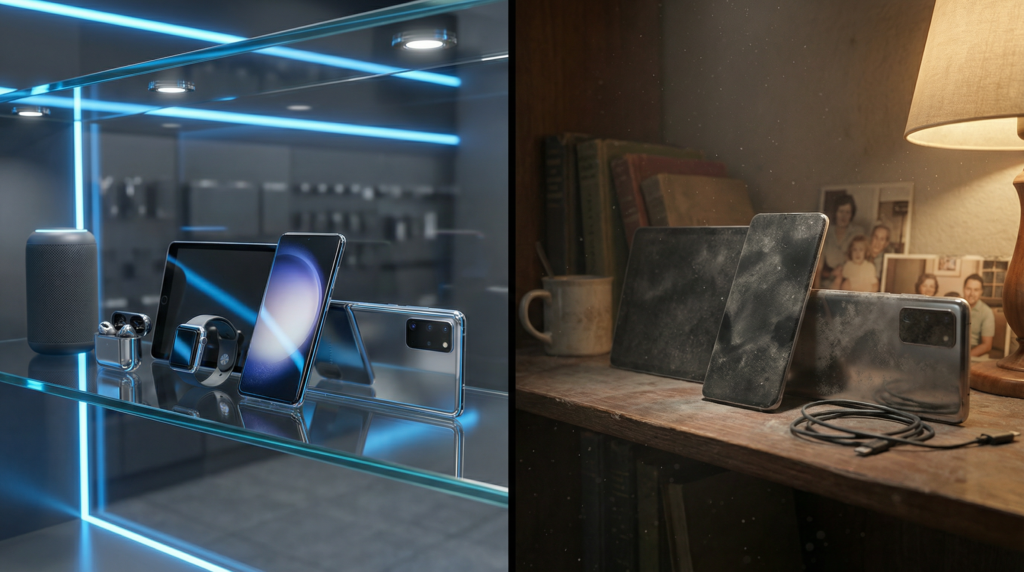
The Promise: Revolutionary efficiency and seamless integration into your daily life.
The Reality: Single-purpose devices that solve problems you didn’t actually have.
Smart juicers, AI-powered notebooks, app-connected water bottles, and motion-sensor trash cans flood the market yearly. These gadgets generate massive initial buzz because they look innovative and feel futuristic. Many people regret buying these items once they realize the “convenience” often requires more effort than the traditional method.
Why novelty wears off fast:
- Requires app downloads, accounts, and connectivity hassles
- Solves one problem while creating new friction points
- Traditional alternatives work just as well without batteries or Wi-Fi
Real Example: The Juicero, a $400 Wi-Fi-enabled juicer, became infamous when consumers discovered they could squeeze the juice packs by hand just as effectively. The company shut down in 2017, leaving thousands of people regretting buying an expensive solution to a non-existent problem.
2. Home Fitness Equipment Bought During Motivation Highs
The Promise: Gym-quality workouts at home, on your schedule, with no excuses.
The Reality: Expensive clothes racks gathering dust in spare bedrooms.
| Equipment Type | Average Cost | Typical Usage Lifespan | Common End Use |
|---|---|---|---|
| Treadmill | $800-$3,000 | 2-4 months | Clothing hanger |
| Rowing Machine | $500-$2,500 | 1-3 months | Storage/decoration |
| Home Gym System | $1,000-$5,000 | 3-6 months | Garage fixture |
| Exercise Bike | $300-$2,500 | 2-5 months | Unused corner item |
Aspirational buying collides with actual habits here. People regret buying fitness equipment because they purchase based on who they want to be, not who they consistently are. The equipment isn’t defective—the purchaser’s self-assessment was.
Walking outside or a $30/month gym membership would have served most buyers better, but those options lack the emotional satisfaction of a major purchase that signals commitment.
3. Trendy Fashion Pieces That Don’t Age Well
The Promise: Statement pieces that express individuality and keep you current.
The Reality: Unwearable items that look dated within months.
Neon bike shorts, oversized blazers with extreme shoulder pads, chunky platform Crocs, hyper-specific branded collaborations—fashion trends cycle faster than ever in the social media era. Many people regret buying trendy clothing because pieces that felt essential during peak hype become closet orphans almost immediately.
Why they’re rarely worn twice:
- Loud designs lack versatility for different occasions
- Fast trend cycles make items feel “over” quickly
- Photos posted to social media create pressure to avoid repeating outfits
The fashion industry deliberately cultivates this cycle, but consumers pay the price in both dollars and cluttered closets.
4. Influencer-Backed Skincare or Wellness Products
The Promise: Transformative results backed by someone you trust.
The Reality: Expensive products that don’t suit your skin type, lifestyle, or actual needs.
The wellness industry thrives on one-size-fits-all marketing despite the deeply personal nature of skincare, supplements, and health routines. Countless consumers regret buying influencer-promoted products after discovering that what works for someone else’s skin or body chemistry fails completely for theirs.
The core problem:
- Influencers rarely disclose that they may have professional treatments, personal trainers, or genetics contributing to their results
- Affiliate commissions incentivize promotion regardless of suitability
- “Results may vary” disclaimers protect sellers but not buyers
Case Study: A 2022 survey by consumer research firm Attest found that 42% of Gen Z and Millennial consumers regretted purchasing influencer-promoted beauty or wellness products within three months, citing mismatched expectations and lack of personalization.
5. Expensive Online Courses or “Get Rich” Programs
The Promise: Transformative knowledge that pays for itself through new income streams.
The Reality: Unfinished modules and unrealized dreams.
Digital courses selling business skills, passive income strategies, or creative mastery prey on aspiration. Whether it’s a $2,000 program on Amazon FBA, cryptocurrency trading, or becoming a social media influencer, completion rates tell the truth: most people regret buying these courses because they never finish them, let alone implement the strategies.
Why most remain unfinished:
- Purchasing feels like progress, reducing motivation to actually complete coursework
- Reality of execution proves harder than the sales page suggested
- No accountability structure for self-paced learning
The course isn’t always bad—the assumption that buying information equals acquiring skills is the fatal flaw.
6. Limited-Edition Drops You Didn’t Really Need
The Promise: Exclusive ownership of something scarce and special.
The Reality: Owning something rare that you don’t actually want or use.
Scarcity marketing weaponizes your fear of missing out. Limited sneaker drops, exclusive collaborations, numbered collectibles—these create panic buying where the thrill of acquisition overshadows actual desire for the item.
Research confirms that limited-edition products do increase regret. A 2021 study published in the Journal of Consumer Psychology found that scarcity-driven purchases showed significantly higher post-purchase regret compared to regular availability items because buyers conflate “hard to get” with “valuable to me personally.”
The emotional trap:
- Getting the item feels like winning
- The victory high fades quickly
- What remains is an expensive item you don’t actually need
Many people regret buying limited editions once they realize they bought the scarcity, not the product.
7. Subscription Services Signed Up During Free Trials
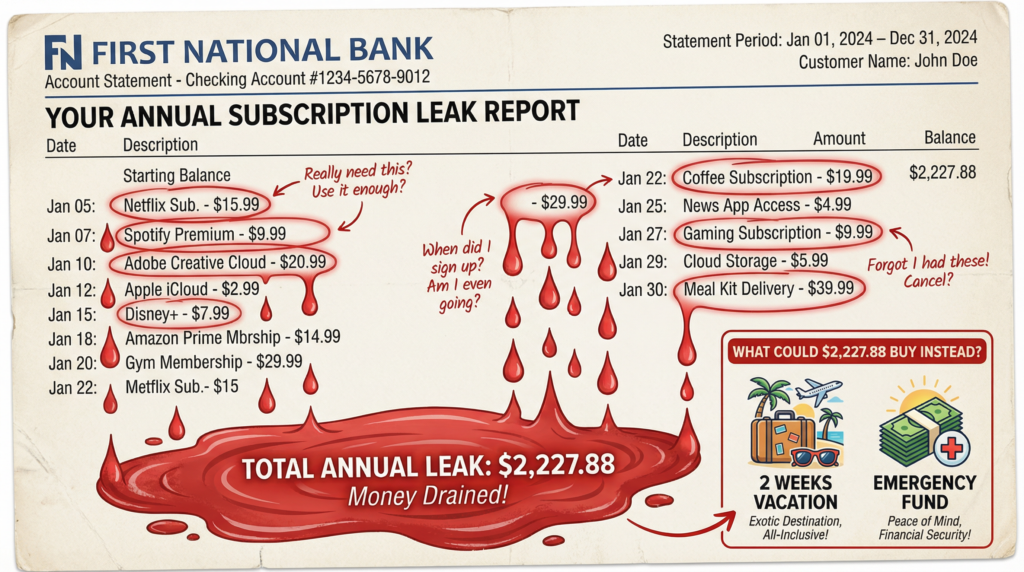
The Promise: Try before you buy, cancel anytime, no commitment.
The Reality: Auto-renewing charges for services you forgot you had or barely use.
| Subscription Category | Average Monthly Cost | Percentage Actually Used Regularly |
|---|---|---|
| Streaming Services | $8-$20 | 40-60% |
| Meal Kit Services | $60-$120 | 25-35% |
| Fitness Apps | $10-$40 | 15-30% |
| Cloud Storage | $3-$15 | 50-70% |
| Beauty/Subscription Boxes | $15-$50 | 30-45% |
The “free trial” model banks on human forgetfulness and the psychological difficulty of canceling. People regret buying (or rather, continuing to pay for) subscription services because the small monthly charges feel insignificant until you calculate the annual total: $15/month becomes $180/year for a service you used twice.
8. Decorative or Aesthetic Purchases That Lose Meaning
The Promise: Beautiful items that enhance your space and reflect your personality.
The Reality: Objects bought for social media validation that feel empty once posted.
Neon signs with trendy phrases, elaborate plant collections requiring constant maintenance, aesthetic desk setups copied from Pinterest—these purchases often serve Instagram more than the buyer’s actual life.
The value proposition collapses once the validation (likes, comments, shares) fades. What remains is an object that doesn’t meaningfully improve your daily experience but costs real money and occupies real space.
Many people regret buying aesthetic items because they confuse performing a lifestyle online with actually wanting that lifestyle offline.
Are Social Media Trends the Biggest Driver of Regret?
Yes—and the mechanism is more insidious than simple peer pressure.
Algorithm-driven repetition creates false demand. When you see the same product dozens of times across multiple platforms, your brain interprets this frequency as evidence of quality and necessity. This isn’t rational evaluation; it’s pattern recognition misfiring.
The algorithm doesn’t care about your actual needs—it optimizes for engagement. If content featuring a particular product drives clicks, you’ll see more of it, creating an echo chamber where the product seems universally essential.
Example: The viral Pink Sauce controversy of 2022 demonstrated this perfectly. A TikTok-famous sauce with questionable ingredients and no FDA approval sold thousands of units purely through algorithmic amplification. Many buyers later regretted purchasing an unregulated food product from a viral trend.
Social media doesn’t just show you trends—it manufactures the perception that trends are personally relevant to you.
Why Influencers Rarely Talk About Post-Purchase Regret
The incentive structure makes honesty commercially unviable.
- Affiliate incentives mean influencers earn commissions on purchases made through their links. Discussing regret would directly reduce their income by decreasing click-through and conversion rates.
- No algorithmic upside exists for content about buyer’s remorse. Platforms prioritize engagement, and disappointing content performs poorly compared to aspirational content. An influencer admitting a promoted product disappointed them might get sympathy, but won’t get algorithmic amplification.
- Relationship preservation matters too. Influencers maintain partnerships with brands through positive coverage. Honest regret discussions could end lucrative sponsorship deals.
The result: a systematic silence around post-purchase disappointment, leaving consumers without crucial information when making buying decisions.
How Can You Tell If a Product Is Worth Buying or Just Hype?
Apply these practical filters before any trending purchase:
- The Invisibility Test: Would you buy this if no one could see you owned it? If the answer is no, you’re buying social currency, not utility.
- The Problem Test: Does this solve a recurring, genuine problem in your life, or does it solve a problem you just learned existed from the product’s marketing?
- The Six-Month Test: Will this item still matter to you in six months? If you struggle to imagine yourself using it regularly next season, skip it.
- The Replacement Test: What are you currently using to meet this need? If the traditional method works fine, the “upgrade” might be unnecessary.
These aren’t foolproof, but they create space between impulse and action—which is where regret prevention happens.
What Questions Should You Ask Yourself Before Buying a Viral Product?
Build a personal pre-purchase checklist:
Question 1: Is this a genuine want or a convenience illusion created by marketing?
Question 2: Am I buying a solution or avoiding the effort required to solve this differently?
Question 3: Who profits if I make this purchase right now? (This reveals urgency tactics)
Question 4: What’s the worst-case scenario if I don’t buy this? (Usually: nothing happens)
Question 5: If this product disappeared from social media tomorrow, would I still want it?
These questions force conscious decision-making instead of reactive purchasing. Many people regret buying viral products specifically because they never asked themselves these questions first.
Can Waiting 30 Days Reduce Regretful Purchases?
Absolutely—delay is one of the most effective anti-regret strategies.
The “cool-off rule” works by introducing time between desire and action. When you encounter a product you want to buy immediately, wait 30 days. If you still want it after a month, buy it. If you’ve forgotten about it or lost interest, you’ve avoided regret.
This simple technique exposes true desire versus impulse. Genuine needs persist; manufactured urgency evaporates.
A 2020 study in Consumer Research found that implementing a mandatory 48-hour delay before non-essential purchases reduced buyer’s remorse incidents by 63% among participants.
Time is the antidote to hype.
How Do Hype Purchases Affect Long-Term Savings Goals?
Small regrets compound into significant financial setbacks over time.
Consider this calculation:
- One $50 regret purchase monthly = $600 annually
- One $200 regret purchase quarterly = $800 annually
- Combined impact = $1,400 annually
- Over 10 years at 5% compound interest = $18,160 in lost potential wealth
The issue isn’t individual purchases—it’s the pattern. People regret buying into hype culture not just because of wasted money, but because of opportunity cost. Every dollar spent on regretted purchases is a dollar that could have supported actual goals: emergency funds, retirement, and experiences that create lasting value.
Emotional spending versus intentional money use represents the fundamental divide. Hype purchases feel good temporarily, but derail long-term progress. Intentional purchases align with your values and goals, creating satisfaction that persists.
Building Immunity to Hype Culture: Your Action Plan
Developing resistance to FOMO spending isn’t about restriction—it’s about building awareness and decision-making skills.
Awareness beats willpower because understanding the psychological mechanisms behind hype diminishes their power. When you can identify scarcity marketing, social proof manipulation, and algorithmic repetition in real-time, these tactics lose effectiveness.
Conscious spending as a skill improves with practice. Like any skill, it requires:
- Recognizing your personal triggers (boredom? stress? social comparison?)
- Creating space between impulse and action
- Evaluating purchases against your actual values and goals
- Learning from past regrets without shame
You don’t miss out—you opt out is the mindset shift that changes everything. FOMO assumes the default should be purchasing whatever trends. But opting out of hype culture isn’t deprivation; it’s choosing differently.
Practical immunity-building steps:
- Unfollow accounts that consistently trigger purchase impulses
- Remove saved payment information from shopping apps (friction helps)
- Track regretted purchases for three months to identify patterns
- Create a “want list” with mandatory 30-day waiting periods
- Calculate the true cost (purchase price + opportunity cost) before buying
The goal isn’t to buy trending products—it’s to buy them consciously, when they genuinely serve your life, not your feed.
The Bottom Line
The most expensive purchases are rarely the ones with the biggest price tags—they’re the ones that quietly deliver nothing.
Hype culture will continue evolving, finding new ways to exploit human psychology and create artificial urgency around products you don’t need. But armed with awareness, practical filters, and patience, you can participate in trends selectively while avoiding the silent regret that follows most viral purchases.
Your money is a finite resource. Your attention is a finite resource. Spending either on products that promise transformation but deliver disappointment is a choice—and like all choices, it can be changed.
The question isn’t whether you’ll encounter hype. The question is whether you’ll let it decide for you.
FAQs
Q. Why do people regret buying hyped products?
- Because hype triggers emotional decision-making. Once the excitement fades, the product often fails to deliver long-term value or solve a real problem.
Q. Are viral products usually a bad purchase?
- Not always, but many are designed for attention rather than long-term usefulness. The more a product relies on trends, the faster its value fades.
Q. Do influencers contribute to regretful purchases?
- Yes. Influencers highlight benefits but rarely discuss downsides, creating unrealistic expectations that lead to disappointment.
Q. How can I avoid buying into hype?
- Pause before purchasing, evaluate whether the product solves a recurring problem, and ask if you would still want it after the trend disappears.
Q. Does waiting before buying really help?
- Yes. A 30-day waiting period significantly reduces impulse purchases and helps separate genuine needs from hype-driven desires.

Owner of Paisewaise
I’m a friendly finance expert who helps people manage money wisely. I explain budgeting, earning, and investing in a clear, easy-to-understand way.