

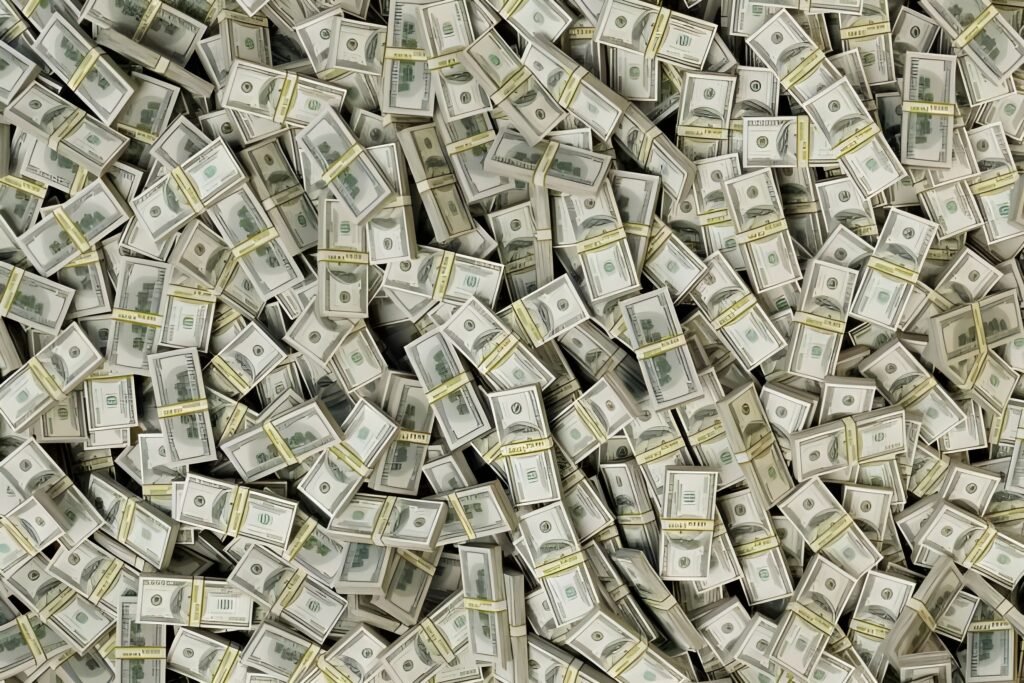
10 Mind-Blowing Facts About Money That Will Change How You See Cash

Money

Introduction

Money is more than just a way to buy things—it shapes societies, influences our decisions, and even affects our brains. While most of us handle cash daily, there are countless hidden truths about it that most people don’t know. In this article, we’ll reveal 10 mind-blowing facts about money that will completely change how you see cash.

1. The Largest Bill Ever Printed

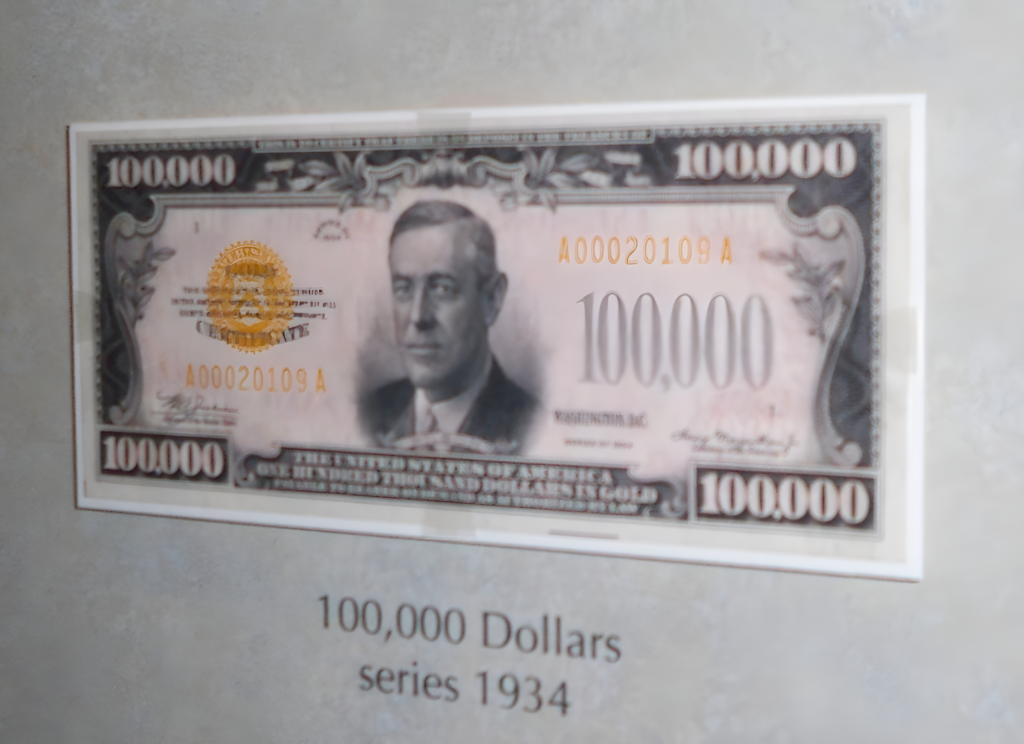
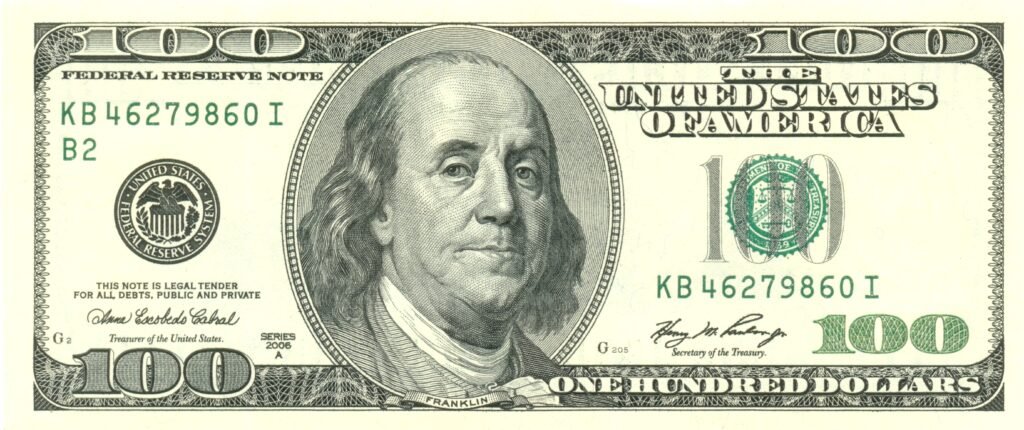
Did you know the U.S. once printed a $100,000 bill featuring Woodrow Wilson? This massive note wasn’t meant for public use—it was only used for transactions between Federal Reserve Banks. Imagine carrying that in your wallet!

facts about money

2. Paper Money Isn’t Really Paper

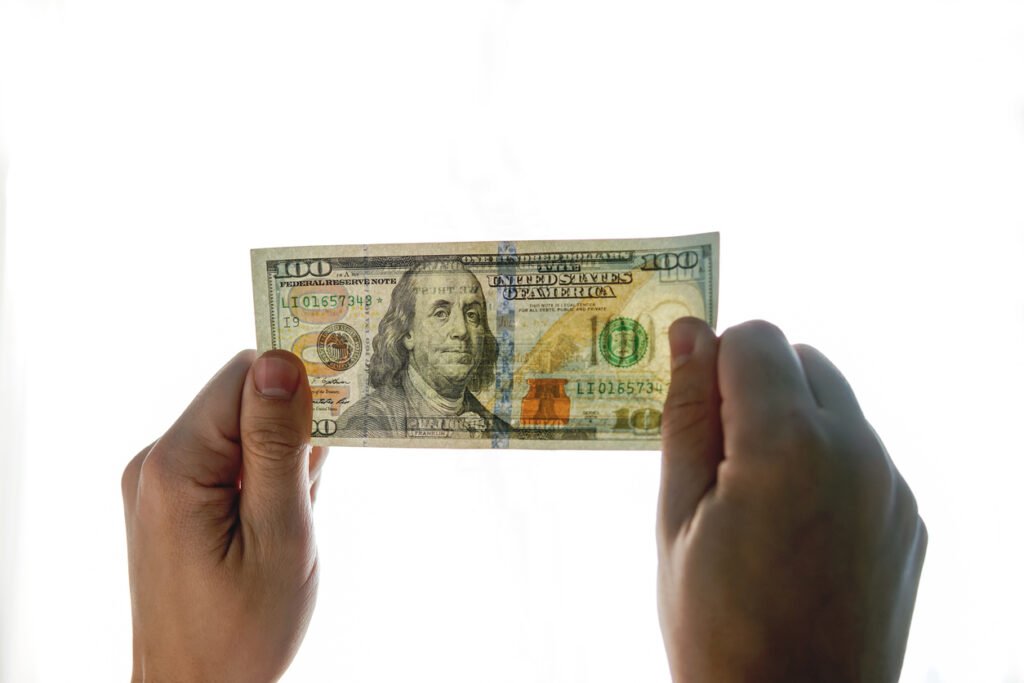
One of the surprising facts about money is that most bills aren’t made of ordinary paper. Instead, they are crafted from a cotton-linen blend that makes them stronger and longer-lasting than standard paper, allowing cash to survive decades of handling and circulation.

facts about money

3. Cash Can Carry Bacteria

One of the lesser-known facts about money is that banknotes can host thousands of types of bacteria, making them even dirtier than your smartphone screen. Handling cash can easily spread germs, so it’s a good idea to wash your hands after touching coins and bills.

facts about money

4. The First Coins Were Over 2,500 Years Old

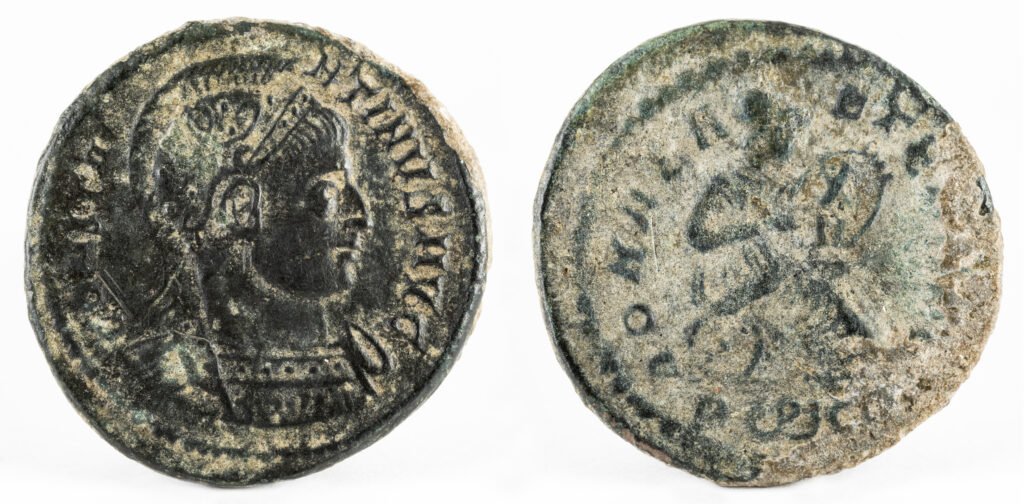
One of the fascinating facts about money is that the first coins were minted in Lydia (modern-day Turkey) around 600 BCE. They revolutionized trade by replacing bartering with standardized currency—a practice that eventually spread worldwide.

5. Counterfeit Money Exists Everywhere

One of the striking facts about money is that even with high-tech security features, billions of dollars in counterfeit currency circulate globally every year. This forces governments to constantly innovate with holograms, watermarks, and color-shifting inks.

facts about money

6. Money Affects Your Brain

One of the surprising facts about money is that handling or even seeing cash can activate pleasure centers in your brain. This can influence spending behavior, making people more likely to make impulsive purchases when cash is involved.

facts about money

7. The Color Green Was Chosen for U.S. Bills

One of the interesting facts about money is that U.S. bills are famously green—but this color choice wasn’t random. Green ink resists fading, symbolizes stability, and historically conveyed growth and prosperity.

facts about money

8. Cash Can Last Decades

One of the intriguing facts about money is that despite heavy use, a well-preserved bill can circulate for 5–15 years, depending on its denomination. Higher-value bills tend to last longer because they change hands less often.

facts about money

9. Some Countries Experiment With Negative Currency

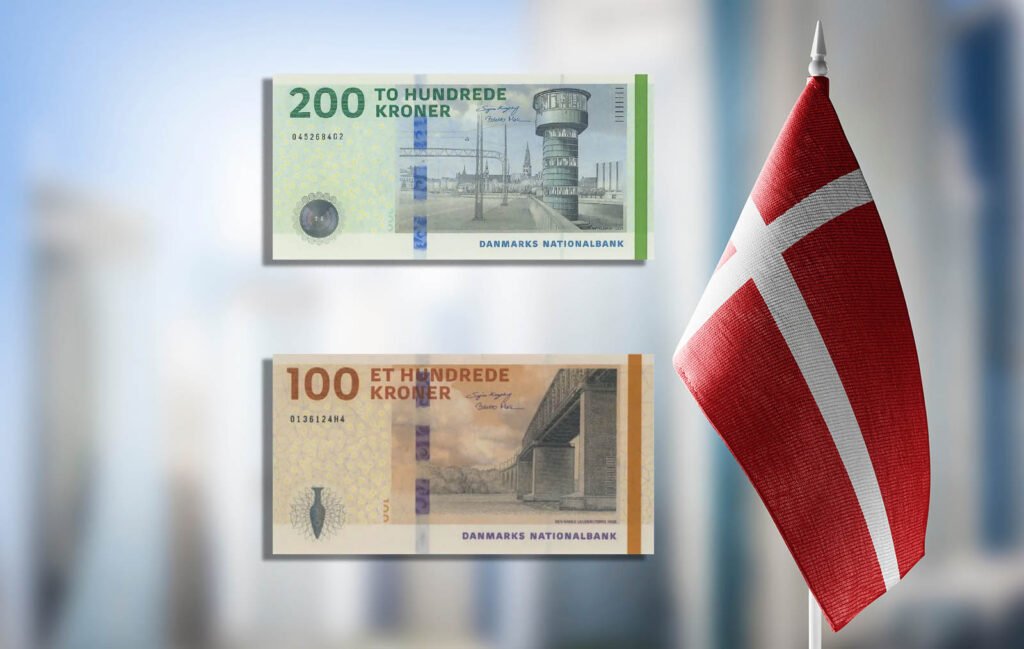
In recent years, countries like Denmark and Switzerland have experimented with negative interest rates, essentially charging people to hold money in banks. This is a radical approach to stimulate spending and boost the economy.

facts about money

10. There’s More Money in the World Than You Think

Did you know that the total amount of money in the world is far more than the physical cash you see? While there’s about $2 trillion in physical cash, the total global money supply—including bank deposits and digital money—is over $100 trillion. Most money today exists digitally, highlighting how modern economies are driven by numbers on screens rather than bills in wallets.

Conclusion

“Money isn’t just cash—it’s a fascinating mix of history, science, and psychology. From ancient coins to modern experiments with negative interest rates, these surprising facts about money show how deeply currency affects our daily lives. Next time you hold a dollar, remember: it’s more than just paper—it’s a story, a powerful tool, and sometimes, even a science experiment.”

Share these mind-blowing facts about money with your friends and see who knew the most!

6 thoughts on “10 Mind-Blowing Facts About Money That Will Change How You See Cash”

  1. Pingback: Best Budgeting Apps 2026 | Free & Paid

  2. Pingback: What Are Emergency Funds?

Leave a Comment

Your email address will not be published. Required fields are marked *