
Table of Contents
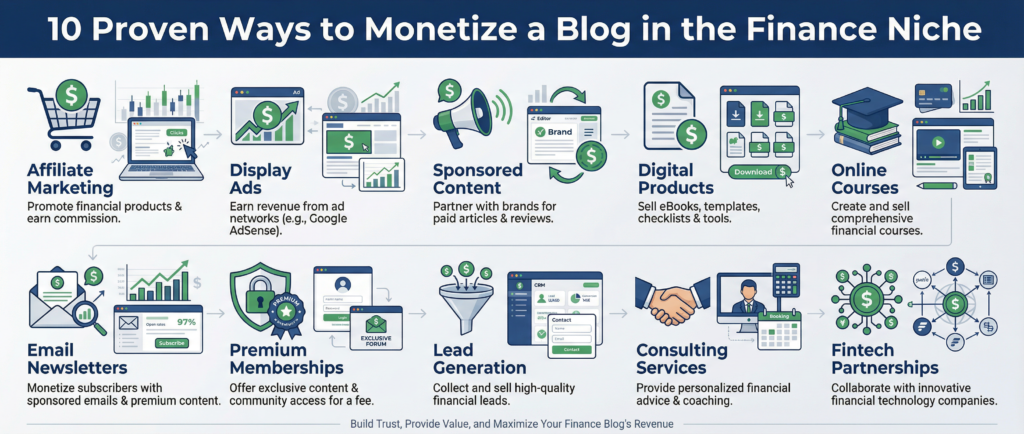
Toggle10 Proven Ways to Monetize a Blog in the Finance Niche
The finance niche is one of the most profitable blogging niches in the world—and for good reason. People actively search for answers about money: how to save it, grow it, borrow it, and manage it better. Where attention goes, money follows.
But monetizing a finance blog is not just about slapping ads everywhere or aggressively pushing affiliate links. The blogs that earn $5,000, $20,000, or even $100,000+ per month do one thing exceptionally well:
In this article, you’ll learn 10 proven ways to monetize a blog in finance, how much you can realistically earn from each method, and real-world examples you can adapt immediately—whether you’re a beginner or already getting traffic.
1. Affiliate Marketing (The #1 Income Source for Finance Blogs)

Affiliate marketing is hands down one of the most effective ways to monetize a blog, and it remains the highest-earning monetization method in the finance niche.
Instead of selling your own product, you recommend trusted financial products—credit cards, loan platforms, investing apps, insurance tools—and earn a commission when readers sign up.
How Much Can You Earn?
Beginners: $500–$2,000/month
Growing blogs: $5,000–$20,000/month
Authority sites: $50,000+/month
Single conversions in finance can pay $20 to $300+ per user.
Example
A blog post titled “Best Personal Loans for Low Credit Scores” explains eligibility, interest rates, and pros/cons. Readers click affiliate links to loan platforms and apply.
Why It Works So Well
Finance readers already have high intent. They are actively looking for solutions, not browsing casually.
Pro Tip
Avoid writing “buy now” content. Write comparison guides, calculators, explainers, and decision-making content.
2. Display Advertising on Informational Finance Content

Display ads may not sound exciting, but they are one of the most reliable ways to monetize a blog, and for finance blogs, they can be incredibly lucrative—especially when paired with high-traffic informational content.
How Much Can You Earn?
Finance RPMs: $15–$60
100,000 monthly pageviews = $1,500–$6,000/month
Example
Articles like:
“How Credit Scores Work”
“What Is Inflation?”
“50/30/20 Budget Rule Explained”
These attract consistent search traffic and earn passive income through ads.
Why It Works
Finance advertisers pay premium rates. Even beginner guides can earn well if traffic is strong.
Best Use Case
Combine ads with affiliate content—ads monetize readers who don’t convert.
3. Sponsored Posts from Fintech & Finance Brands

Fintech companies are constantly looking for blogs to promote their apps, cards, and tools, making sponsored content one of the most profitable ways to monetize a blog. If your blog has authority and targeted traffic, brands will pay well.
How Much Can You Earn?
Small blogs: $200–$1,000 per post
Established blogs: $2,000–$10,000+ per post
Example
A budgeting app sponsors an article titled “How to Track Monthly Expenses Efficiently” and is featured naturally within the content.
Important Note
Finance requires trust. Always:
Disclose sponsorships
Reject low-quality or risky products
Long-term credibility > short-term money.
4. Selling Digital Products (High Margin, Full Control)
Digital products are one of the most scalable ways to monetize a blog, especially for finance bloggers looking to build long-term, high-margin income streams.
You create once and sell repeatedly.
How Much Can You Earn?
$500–$20,000+/month depending on audience size
Popular Digital Products in Finance
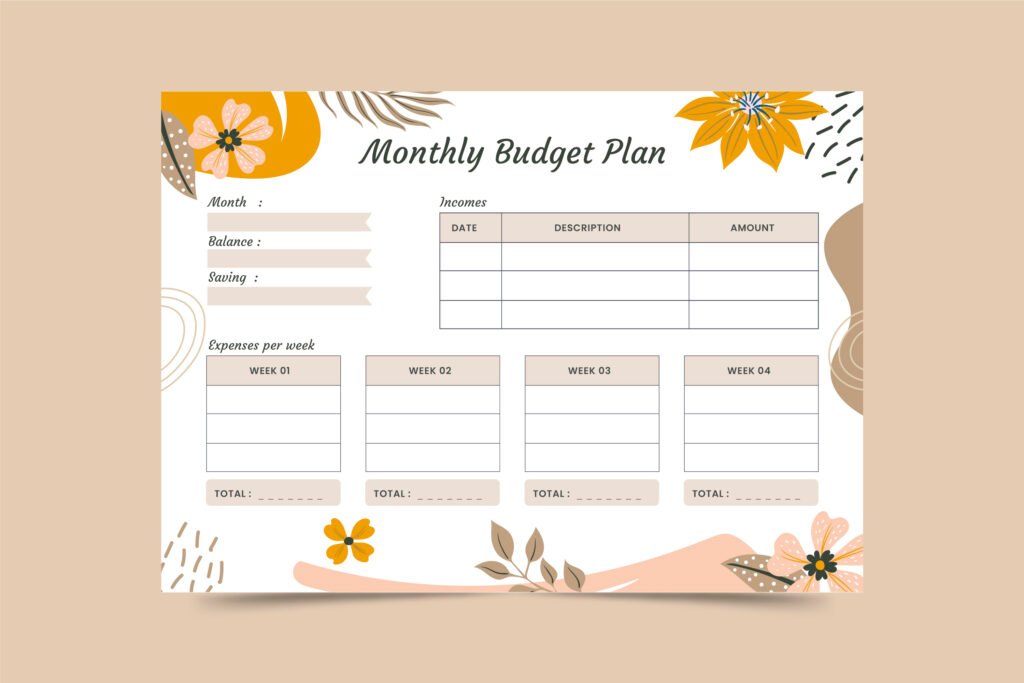
Budget planners
Expense trackers
Net-worth calculators
Investing spreadsheets
Debt payoff planners
Example
A personal finance blog sells a $15 “Monthly Budget & Savings Planner” to email subscribers.
Even with 1,000 sales/month, that’s $15,000.
Why It Works
People trust finance bloggers who simplify money. Tools save time—and people pay for convenience.
5. Offering Financial Consulting or Coaching

If your blog establishes authority, offering personalized advice becomes one of the most effective ways to monetize a blog, as readers are willing to pay for trusted, tailored guidance.
How Much Can You Earn?
$50–$200 per hour
$1,000–$5,000/month part-time
Example
A blogger writing about investing offers 1-on-1 portfolio guidance or beginner investing consultations.
Best Practices
Be clear about what you offer
Avoid regulated advice unless qualified
Focus on education and strategy, not guarantees
This works exceptionally well for personal finance, budgeting, and financial planning blogs.
6. Online Courses & Workshops

Creating courses is a powerful way to monetize a blog, allowing you to package your knowledge into a structured system that readers can purchase and benefit from.
How Much Can You Earn?
$1,000–$50,000+ per launch
Popular Finance Course Topics
“Investing for Beginners”
“Get Out of Debt Fast”
“Master Your Credit Score”
Example
A finance blogger launches a $99 course on budgeting and sells it to 300 subscribers = $29,700.
Why Courses Convert
People want step-by-step guidance, not scattered articles.
7. Memberships & Paid Communities

Recurring revenue is considered the holy grail of blogging and one of the smartest ways to monetize a blog, providing consistent income through subscriptions, memberships, or ongoing services.
How Much Can You Earn?
$10–$50 per member/month
500 members = $5,000–$25,000/month
Example
A finance blog offers:
Premium stock analysis
Exclusive calculators
Monthly Q&A sessions
Why It Works
Finance readers value ongoing insights, especially in investing and wealth-building niches.
8. Email Newsletter Monetization

Your email list is one of your most valuable assets and a key way to monetize a blog, allowing you to promote products, services, and offers directly to an engaged audience.
How Much Can You Earn?
Small list: $200–$2,000/month
Large list: $10,000+/month
Example
A weekly newsletter shares:
Market insights
Budgeting tips
Affiliate product recommendations
Pro Tip
Email converts better than blog traffic because trust is already built.
9. Selling Physical Products or Branded Merchandise

While less common in finance, selling physical products is another viable way to monetize a blog, especially when paired with strong branding and a targeted audience.
How Much Can You Earn?
$500–$5,000+/month
Examples
Finance journals
Goal-setting planners
Motivational money-themed merchandise
Best Model
Print-on-demand—no inventory risk.
Site to see – Printiful
10. Donations & Audience Support

Not every reader wants ads or affiliate links. Offering donation options or “support” memberships is a meaningful way to monetize a blog, letting loyal readers contribute directly to sustain your content.
How Much Can You Earn?
$50–$1,000/month
Example
A free educational finance blog asks readers to support the site voluntarily.
Best Use
Combine donations with ad-free or premium content.
How to Choose the Right Monetization Strategy
Not every method fits every blog. Choosing the right approach is crucial, and finding the best strategy is one of the smartest ways to monetize a blog. Here’s a simple rule:
Low traffic, high trust: Affiliate marketing + services
High traffic: Display ads + affiliates
Strong authority: Courses + memberships
Brand-focused: Sponsored posts + products
The most successful finance blogs use multiple income streams, not just one.
Final Thoughts: Build Trust First, Money Follows
Finance is a sensitive niche. Readers trust you with decisions that affect their future, making ethical and relevant monetization one of the most effective ways to monetize a blog. Monetization works best when:
You educate honestly
You recommend responsibly
You think long-term
If you focus on helping people make better financial decisions, monetization becomes a natural byproduct and one of the most sustainable ways to monetize a blog—not a struggle.

Owner of Paisewaise
I’m a friendly finance expert who helps people manage money wisely. I explain budgeting, earning, and investing in a clear, easy-to-understand way.
Your article is an eye-opening read. I didn’t realize of those before. Thanks for enlightening me.
Your post offers some great advice on the subject. Thanks for sharing your expertise with us.
I truly appreciate this post. I?¦ve been looking everywhere for this! Thank goodness I found it on Bing. You have made my day! Thx again